
Bari: the capital city of Puglia Region
Bari is the capital of the Puglia region (or Apulia) on Italy’s Adriatic coast. A compact, walkable center blends the medieval old town Bari Vecchia with the 19th-century Murat district, a long seaside promenade Lungomare, and the modern business/residential area of Poggiofranco, Conference venue — ISMAR 2026 district.
Bari Vecchia
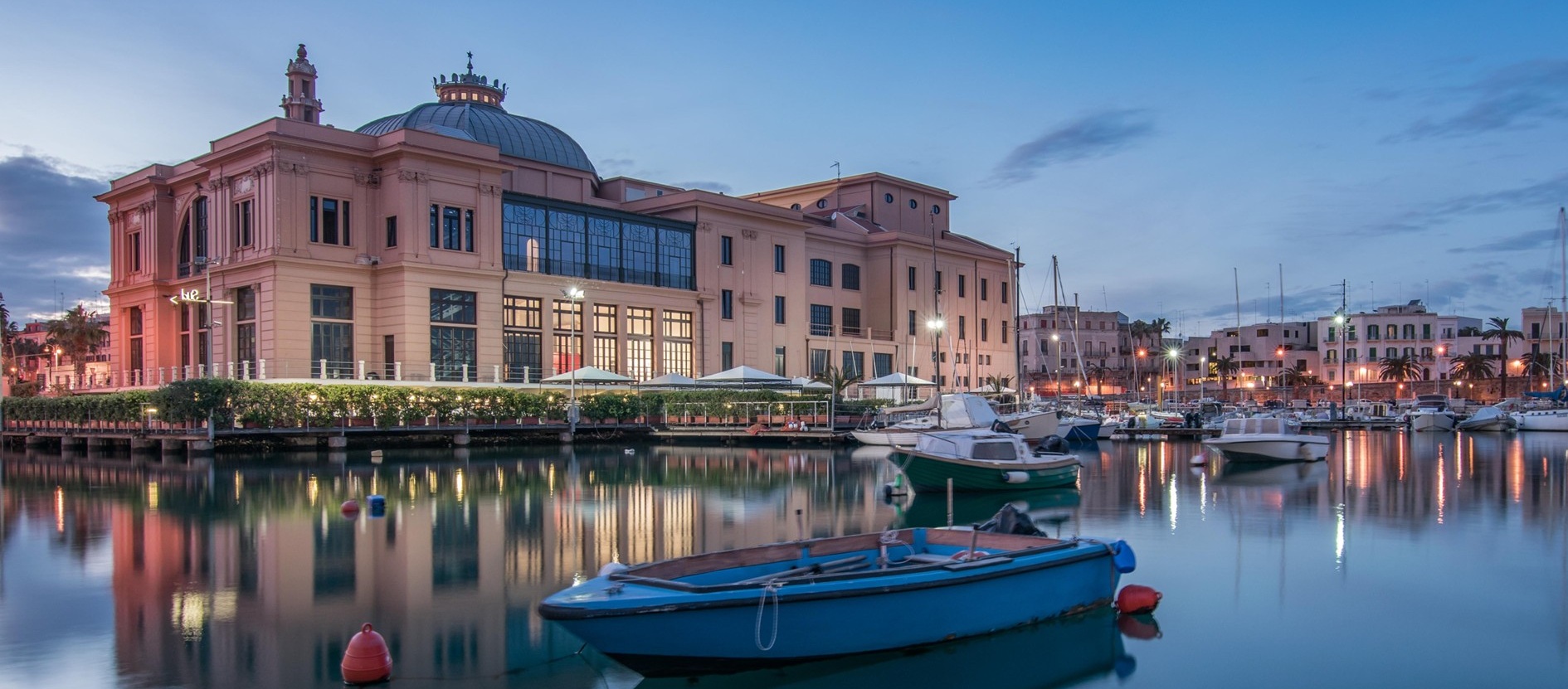
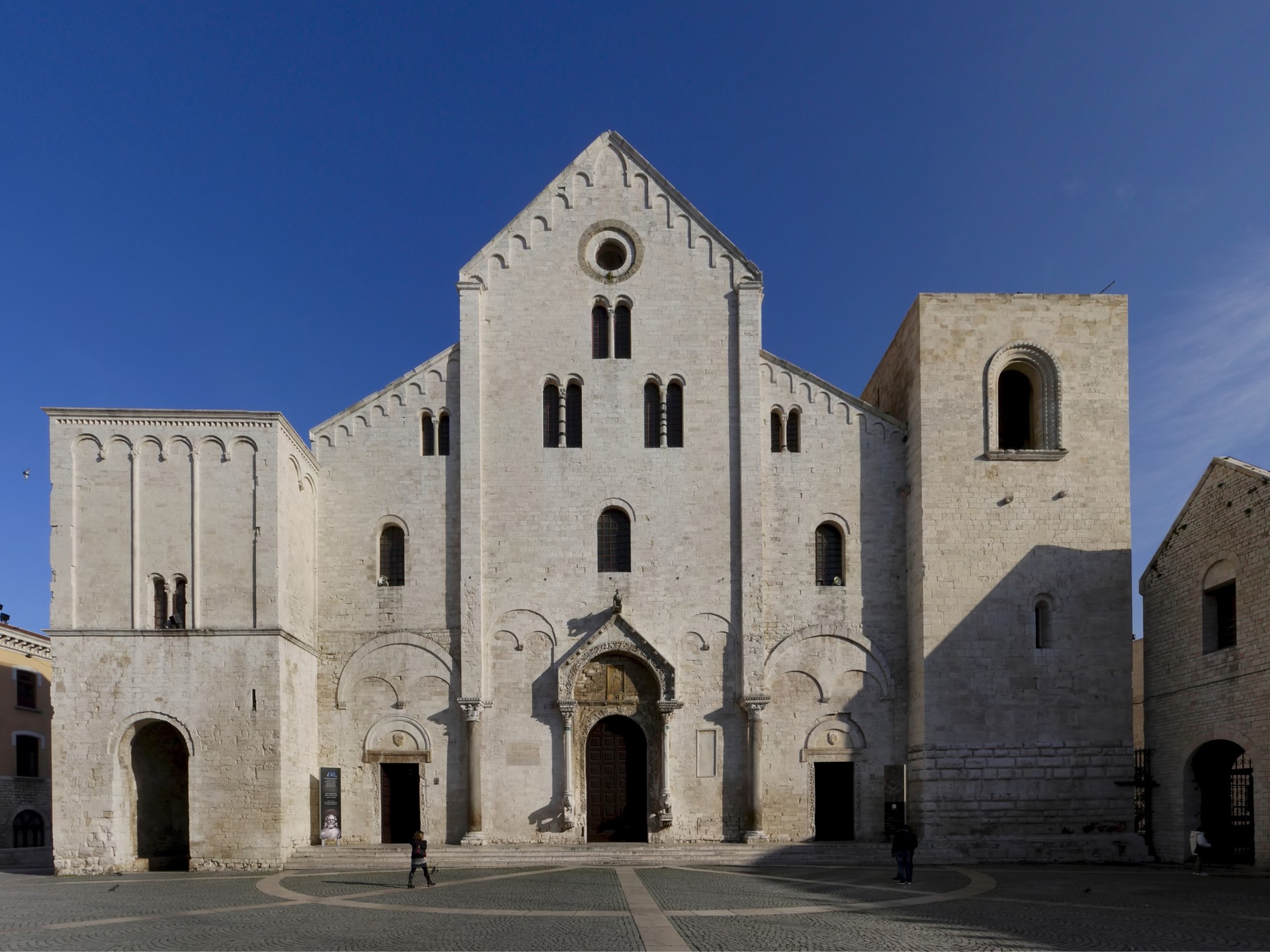
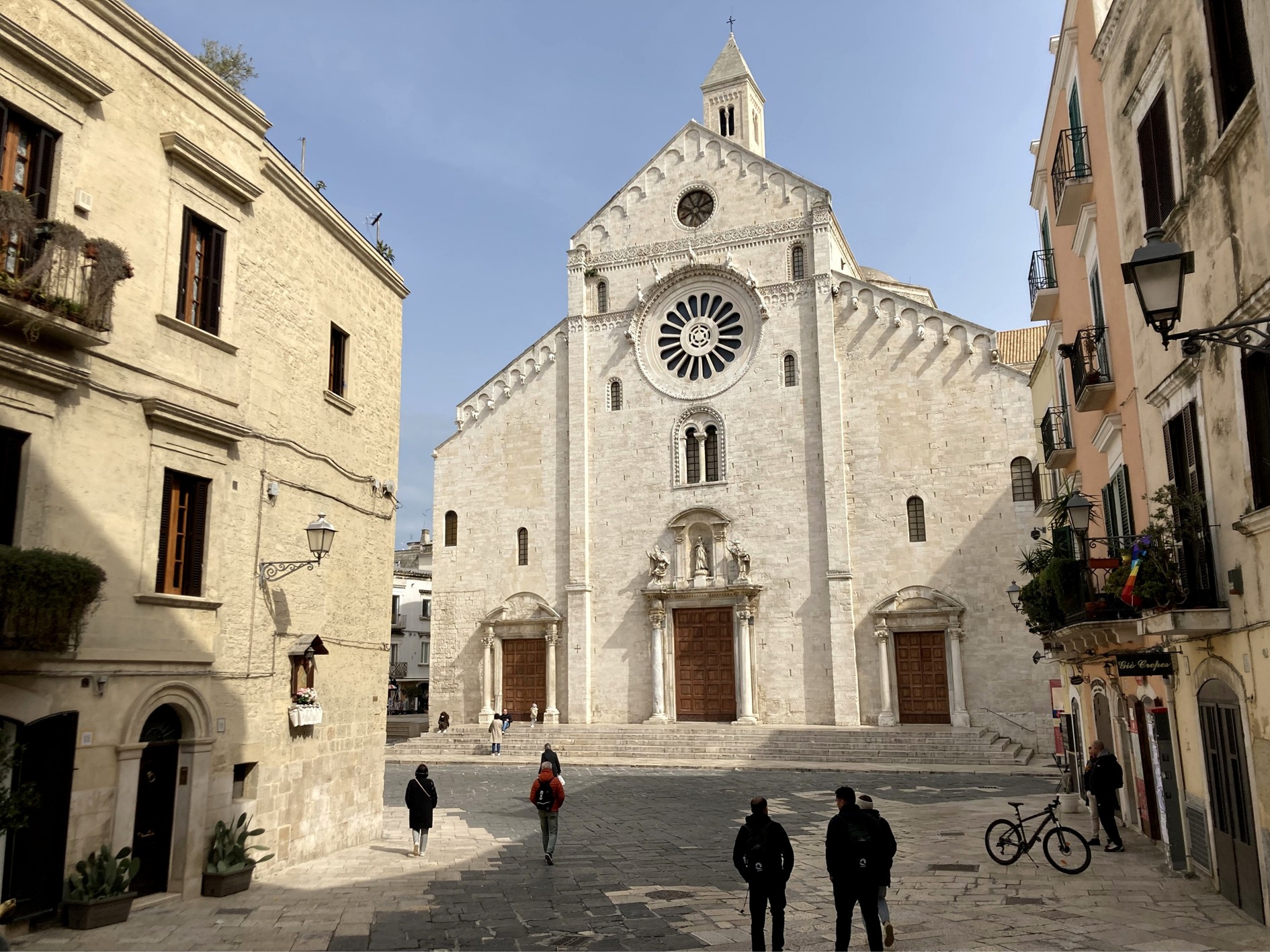
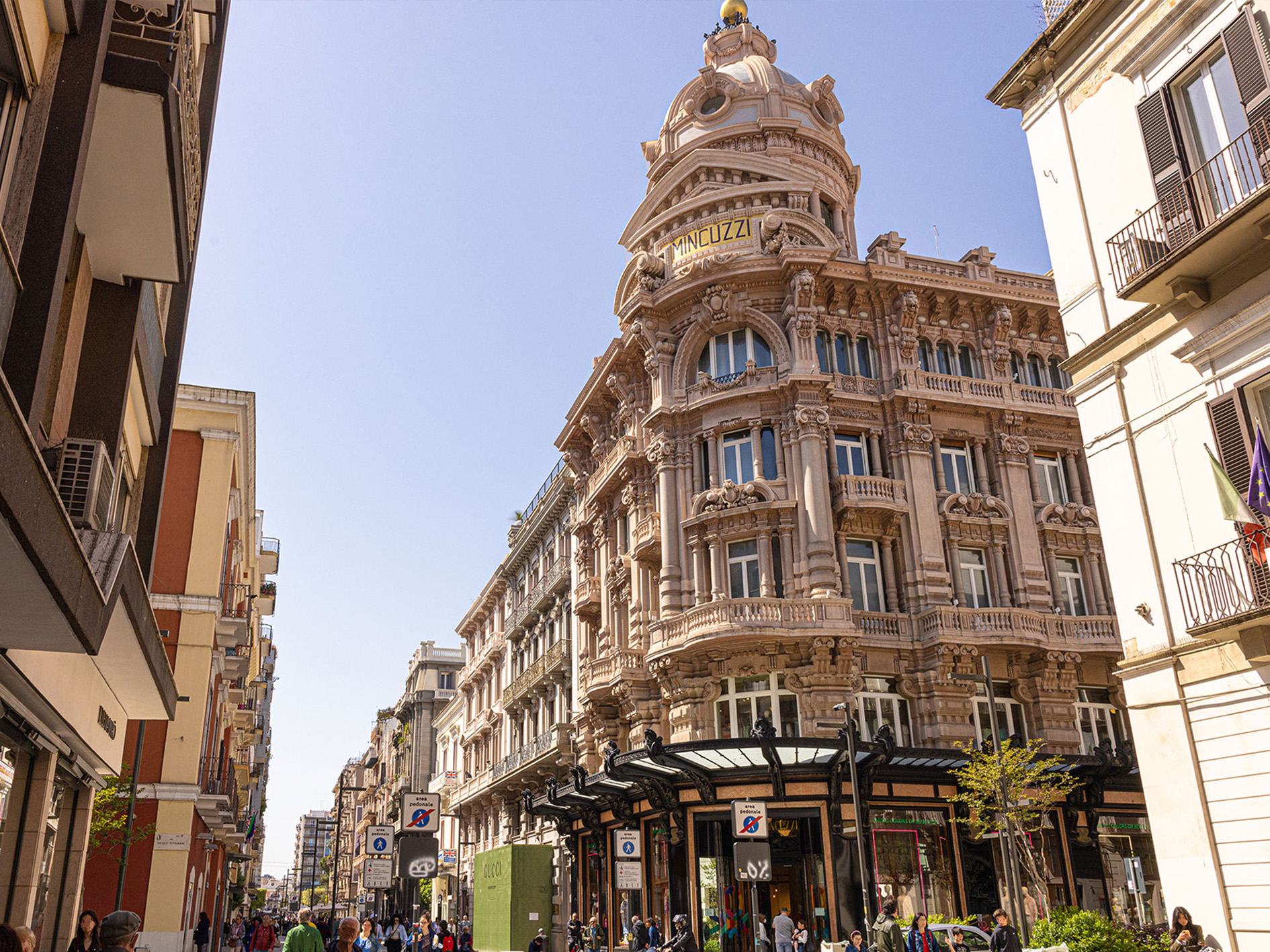
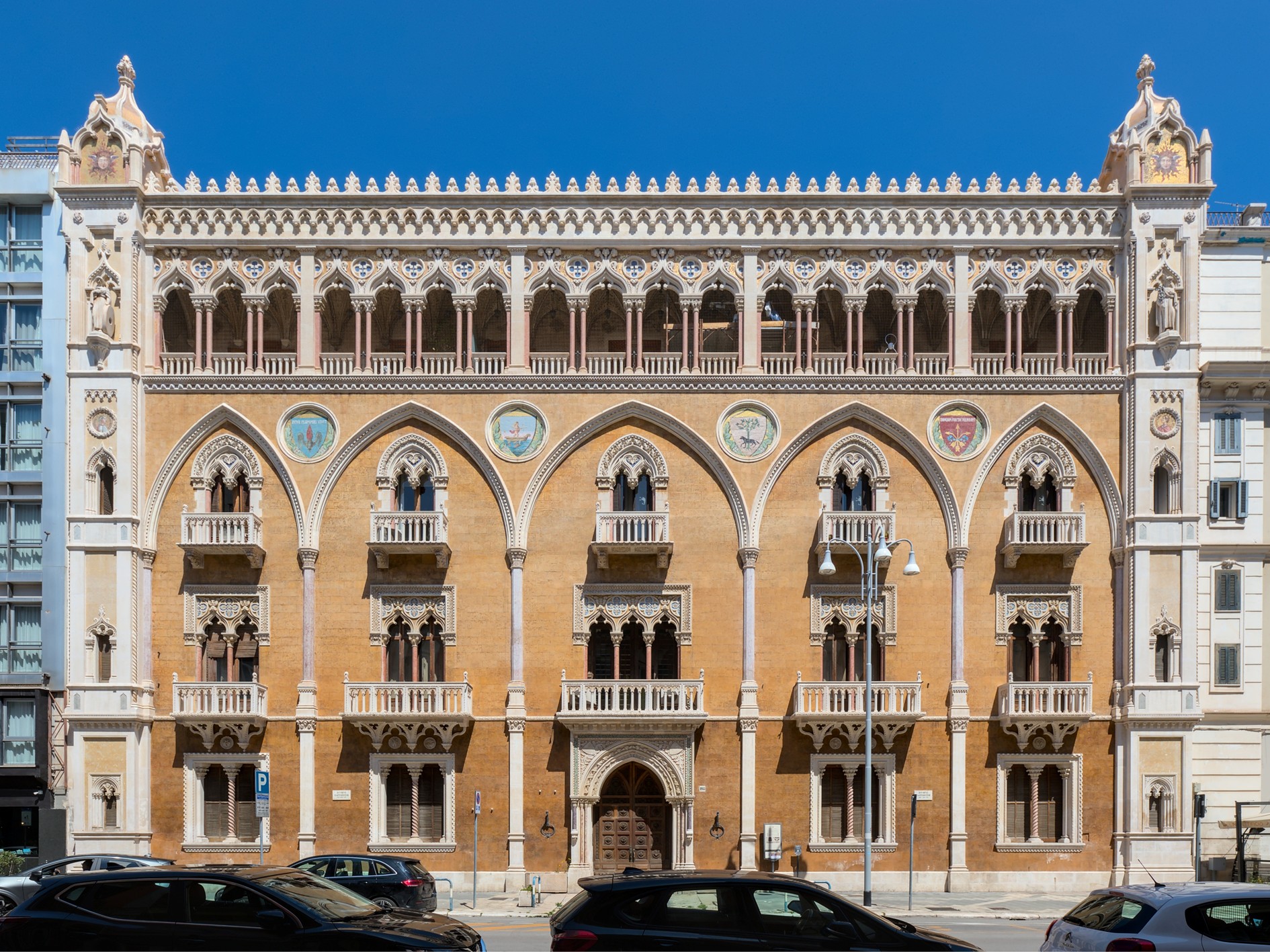
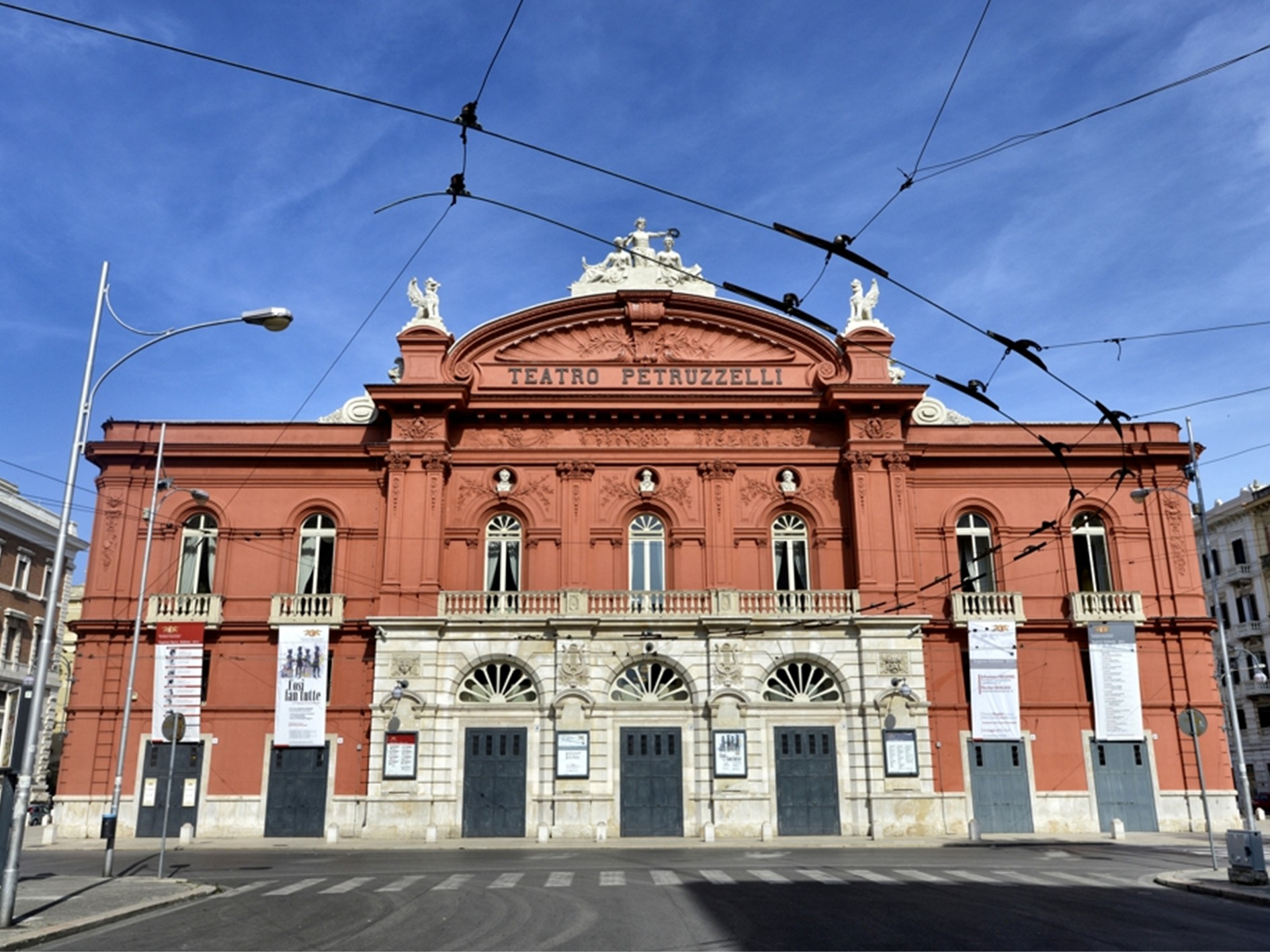
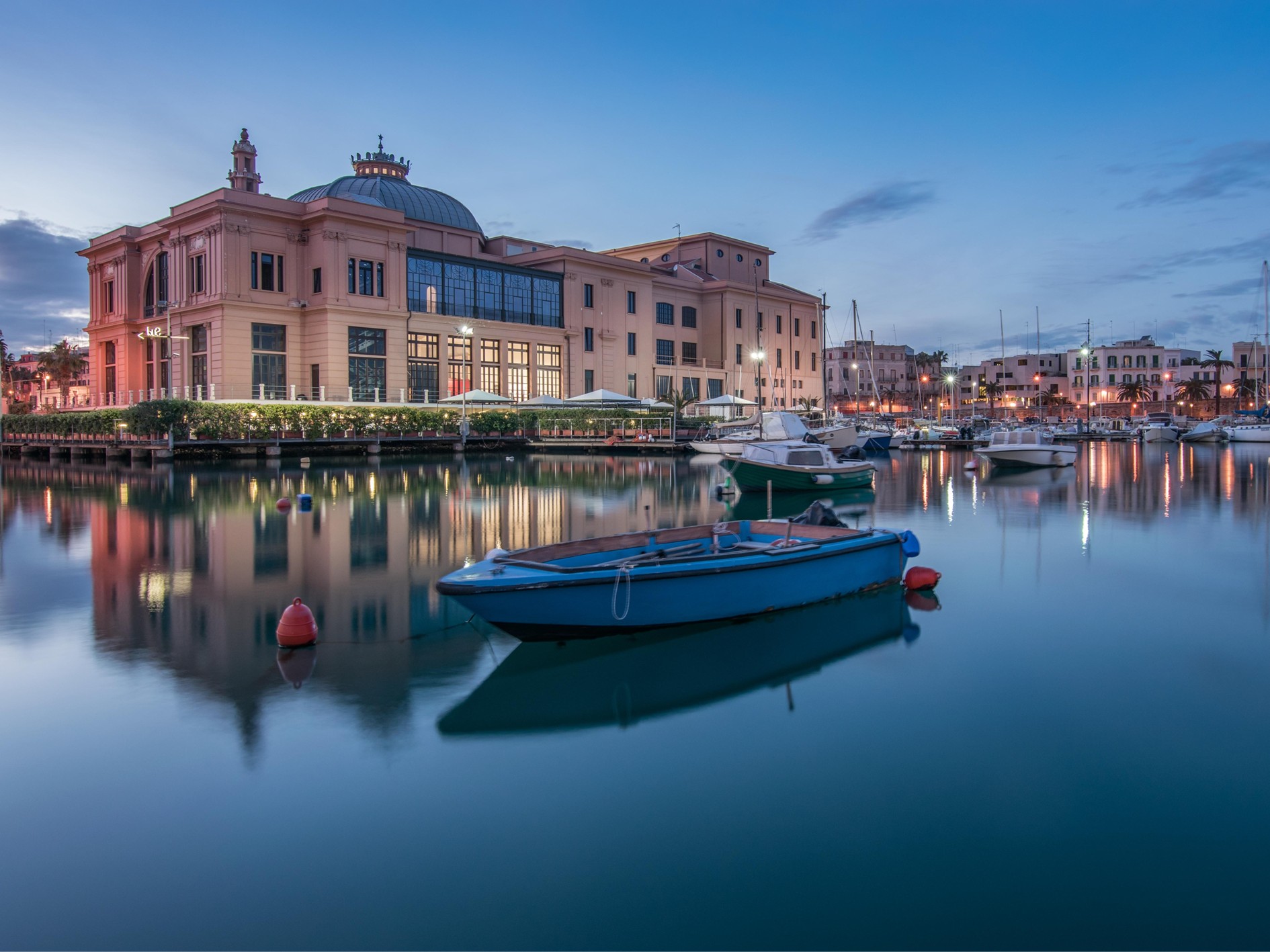
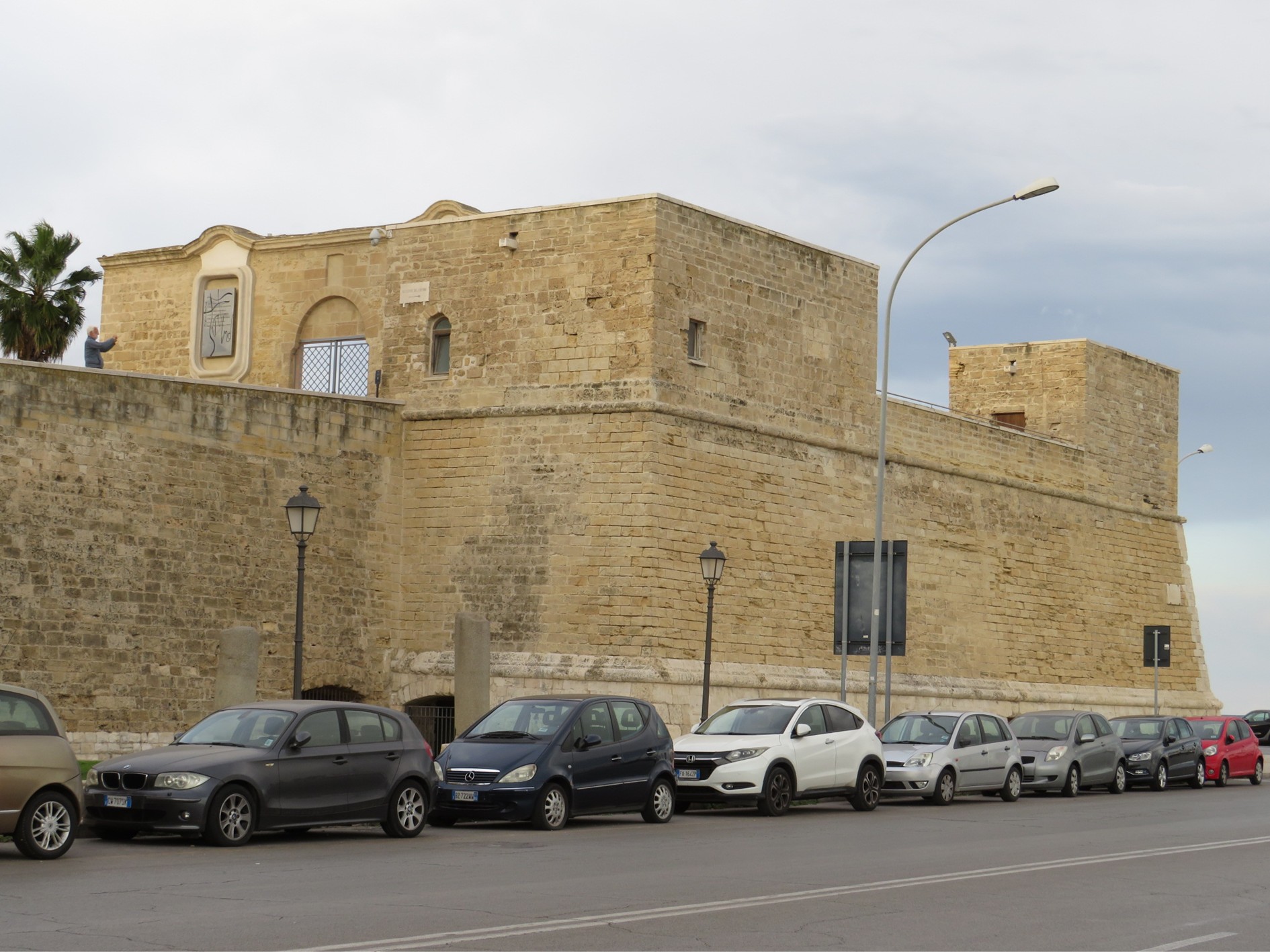
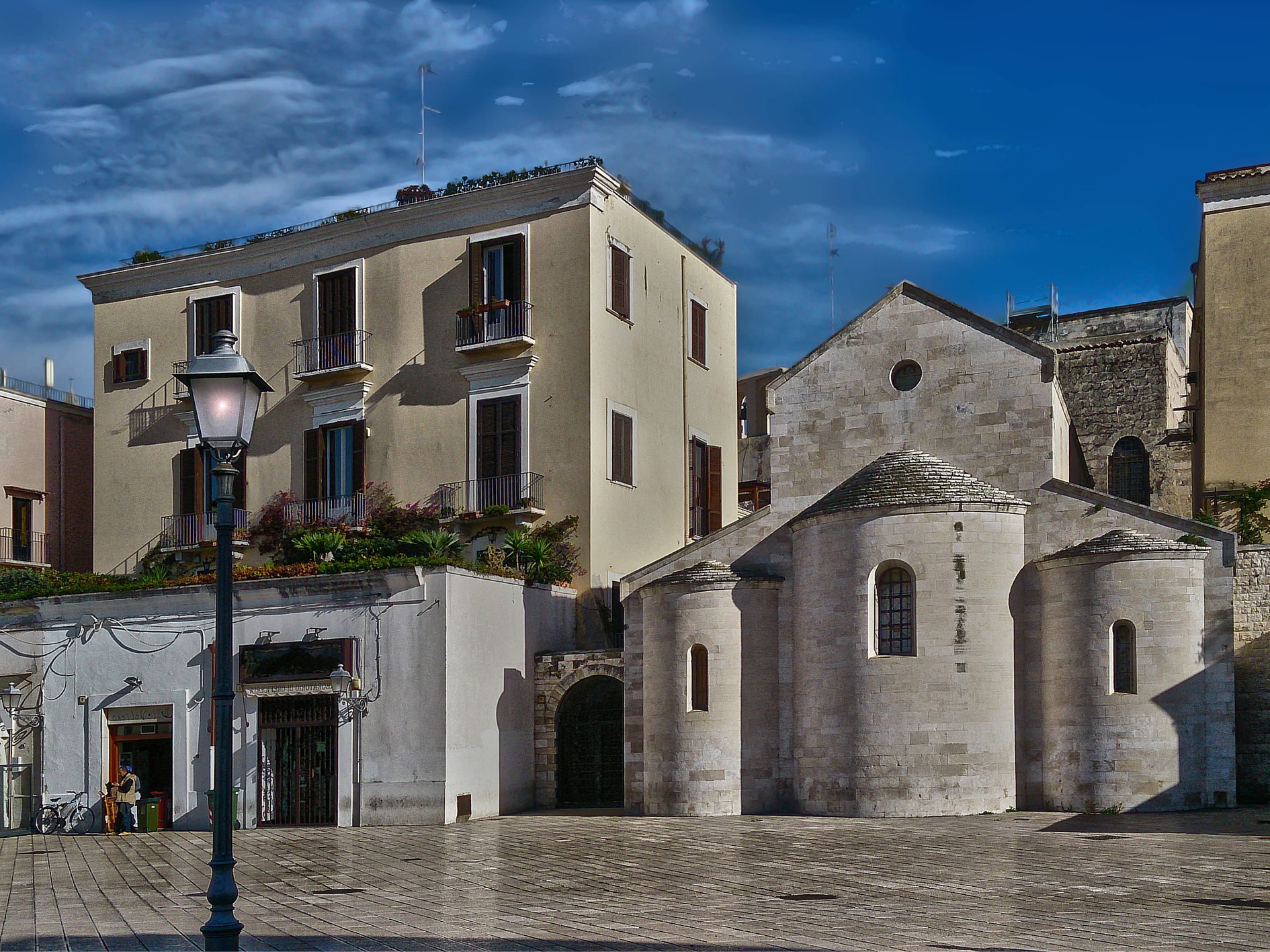
Walking along the Muraglia wall surrounding Bari Vecchia, you can see the imposing Basilica of San Nicola, the spiritual center of Bari. Nearby, the Romanesque Cathedral of San Sabino is distinguished by its baroque crypt. Both churches are celebrated examples of Puglia Romanesque architecture. Serving as the gateway to the old city, the imposing Castello Svevo is crowned by stout fortified towers. The graceful Corso Vittorio Emanuele is the line which divides Bari Vecchia from the 19th-century Murat district. It displays numerous elegant walkable shopping streets Via Sparano, Corso Cavour, palaces Palazzo Fizzarotti,Palazzo Mincuzzi, and historical theatres Teatro Petruzzelli, Teatro Margherita.
Lungomare
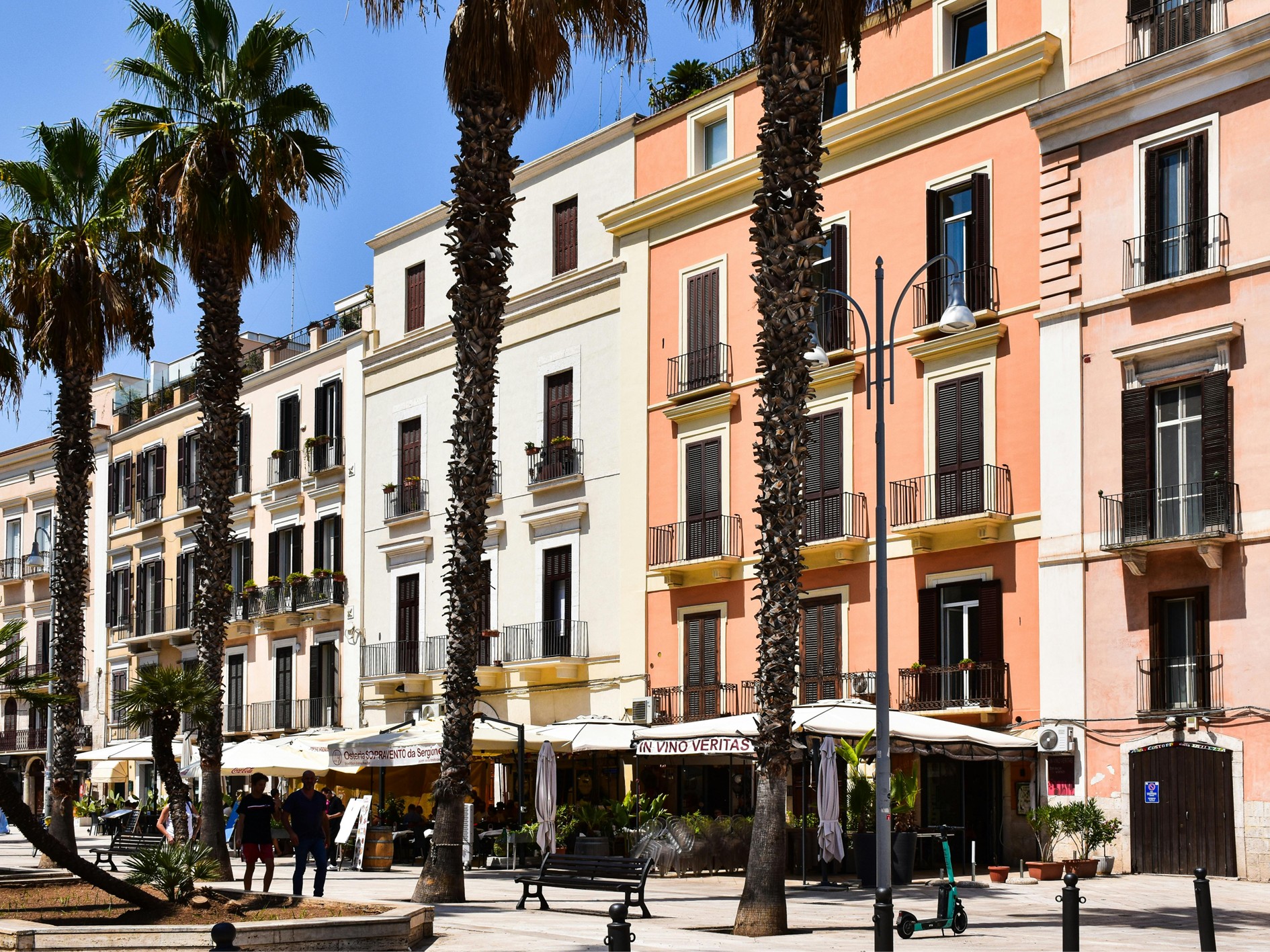
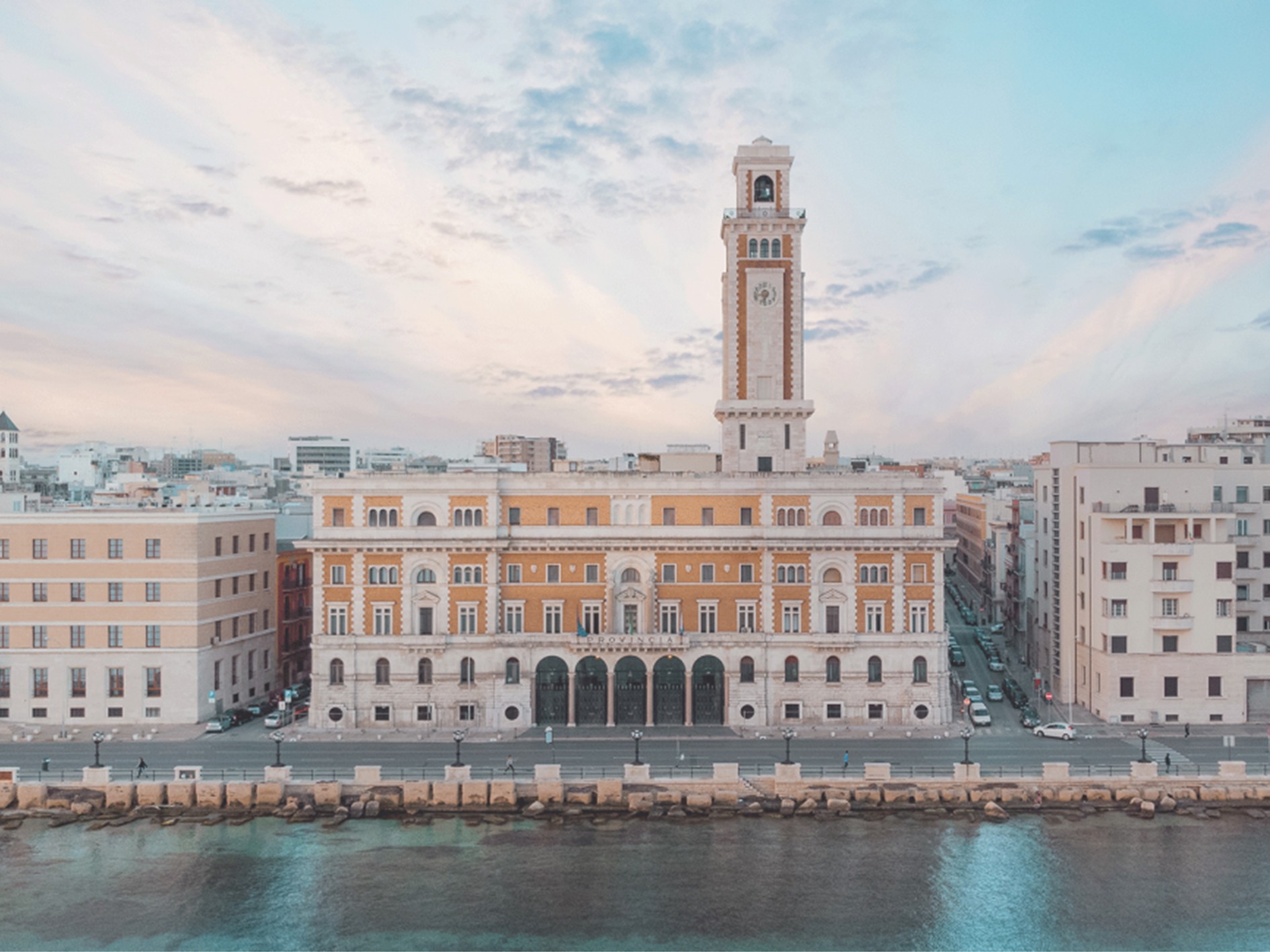
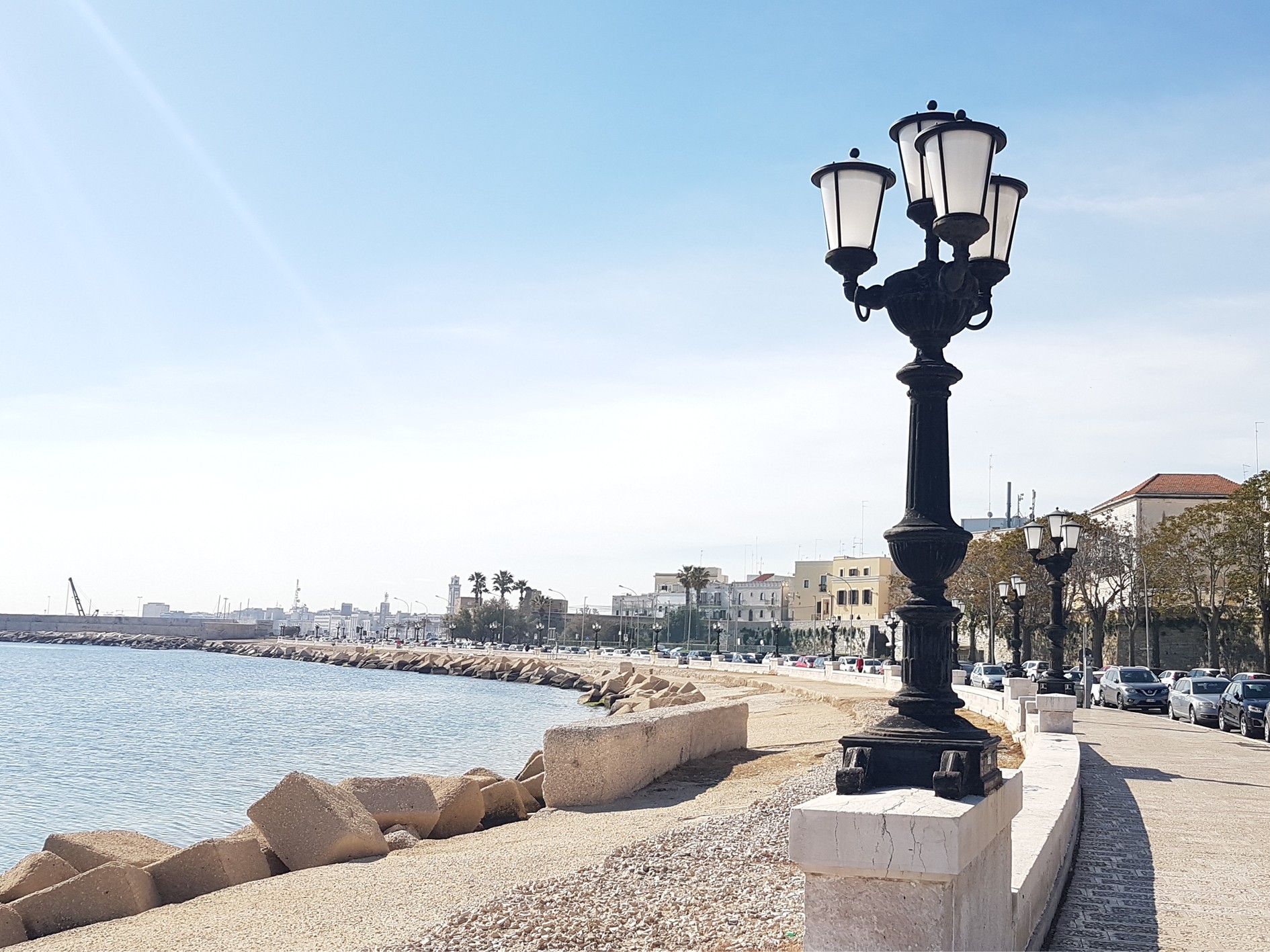
Bari’s promenade stretches between the Fiera del Levante (north) and the Pane e Pomodoro Beach (south-east) and is roughly 3–4 km on foot (about 2–2.5 miles). Key landmarks along that walk include the medieval Fortino di Sant’Antonio, the imposing Palazzo della Provincia facing the sea, and Piazza del Ferrarese, another gateway to Bari Vecchia. The Lungomare is famous for its historic, decorative cast-iron Seafront Streetlights, a distinctive visual emblem of Bari.


Weather
October in Bari is a much milder month, with temperatures generally ranging from a low of 15°C (59°F) to a high of 24°C (75°F). As the weather cools down, October offers a more comfortable climate compared to the summer months. This is why many Italians and Europeans take advantage of the pleasant temperatures to travel and explore, with fewer crowds and a more relaxed atmosphere, making it an ideal time for sightseeing and enjoying the coastal beauty.
The Puglia Region
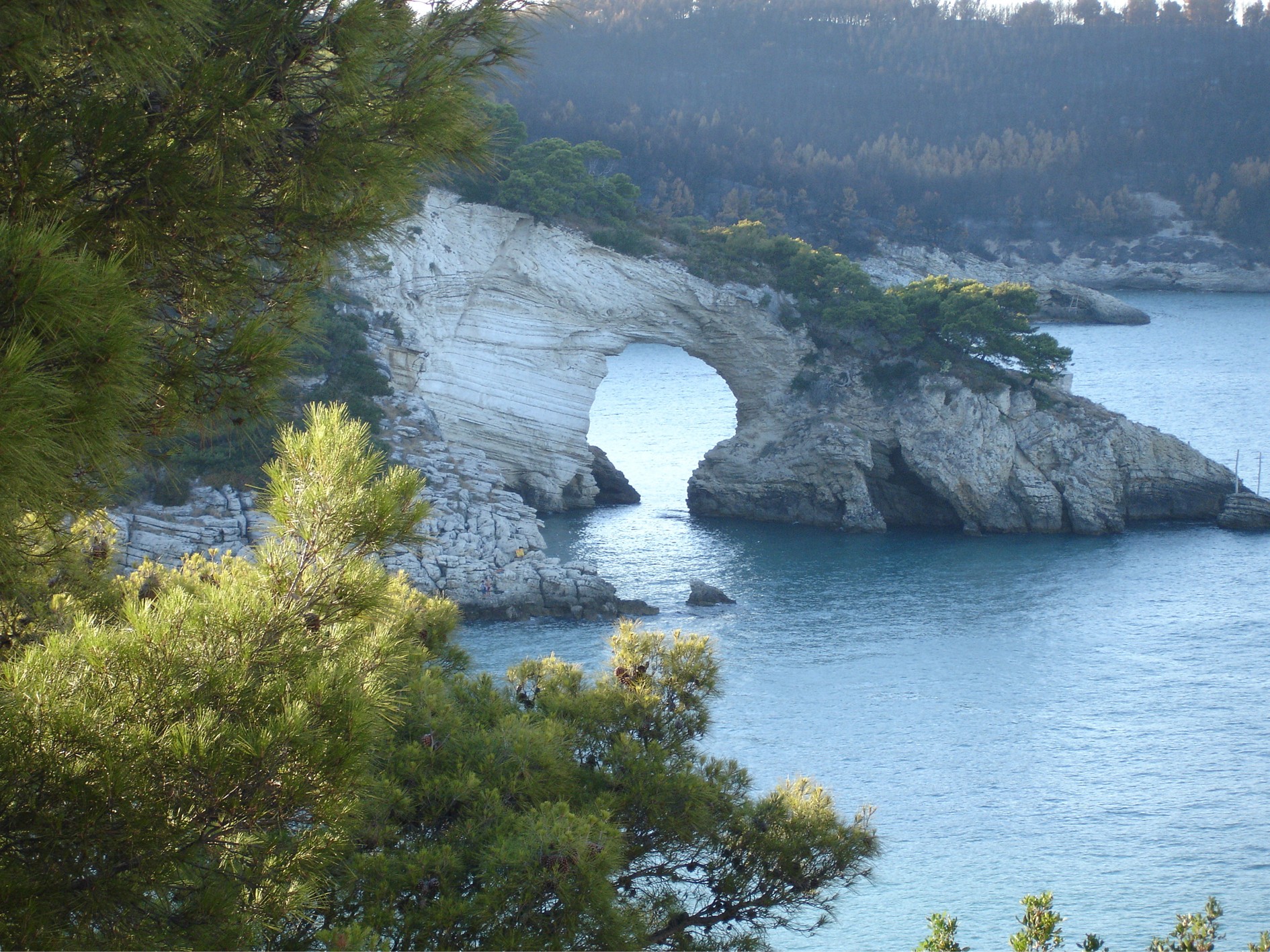
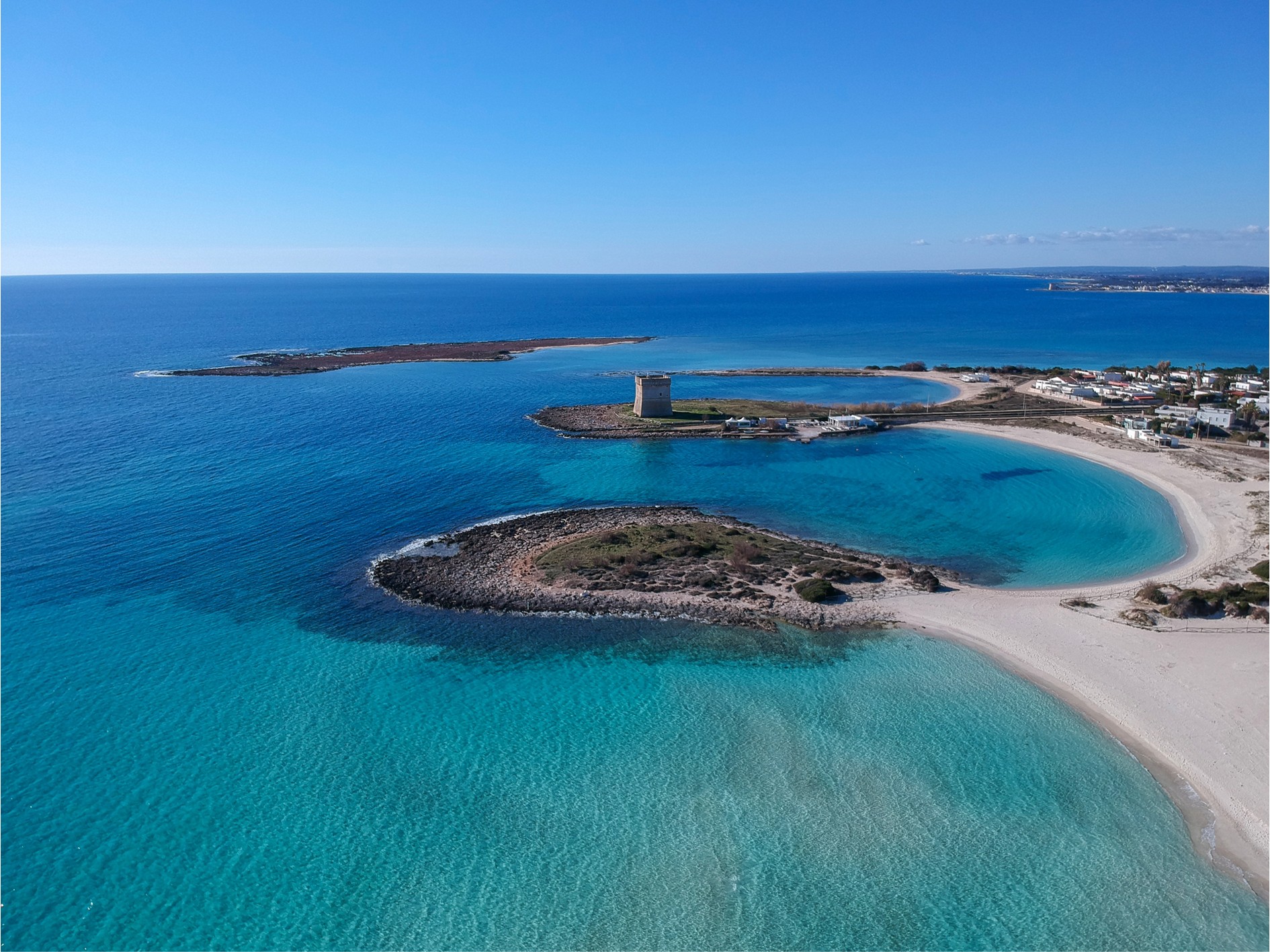
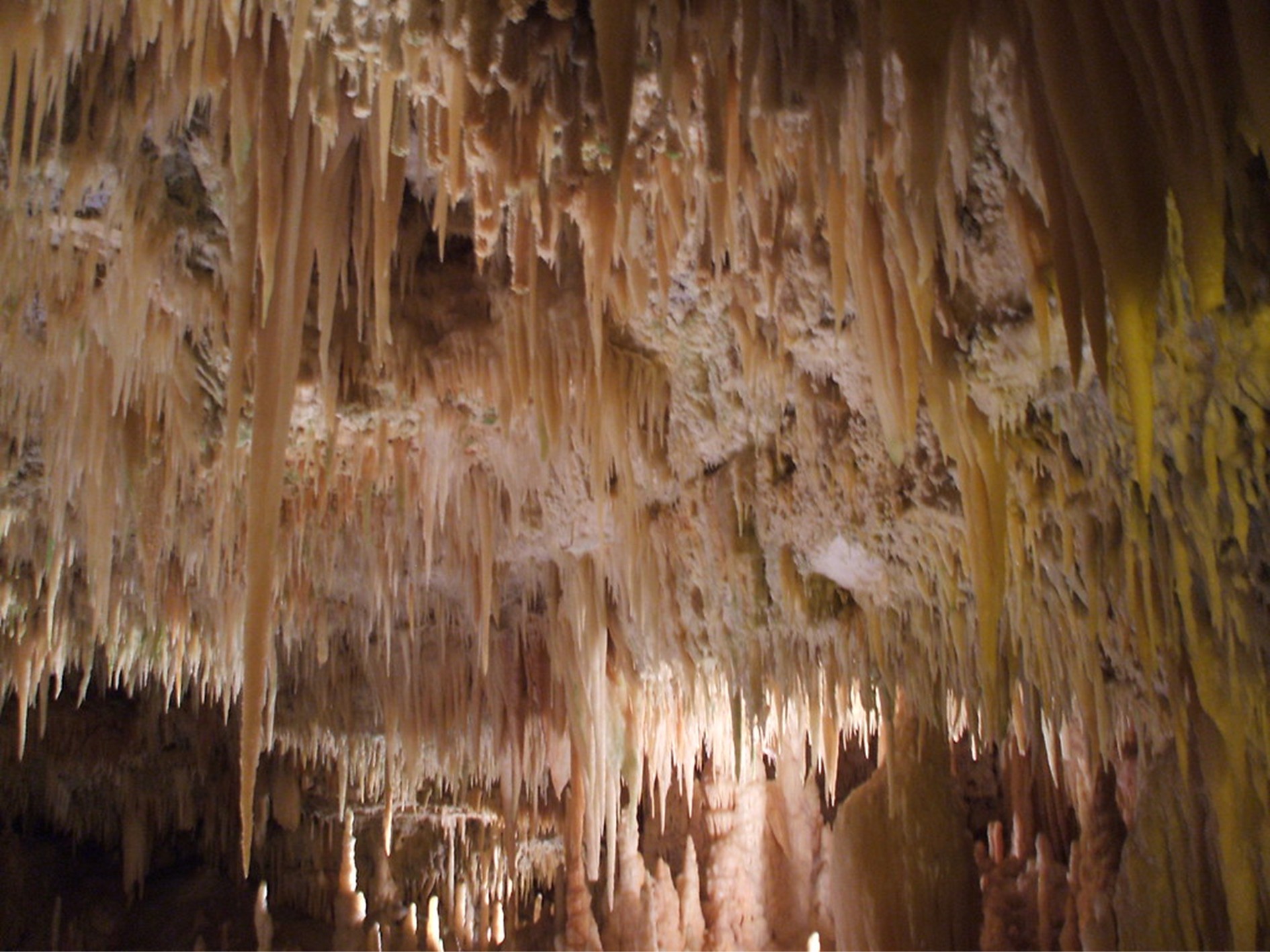
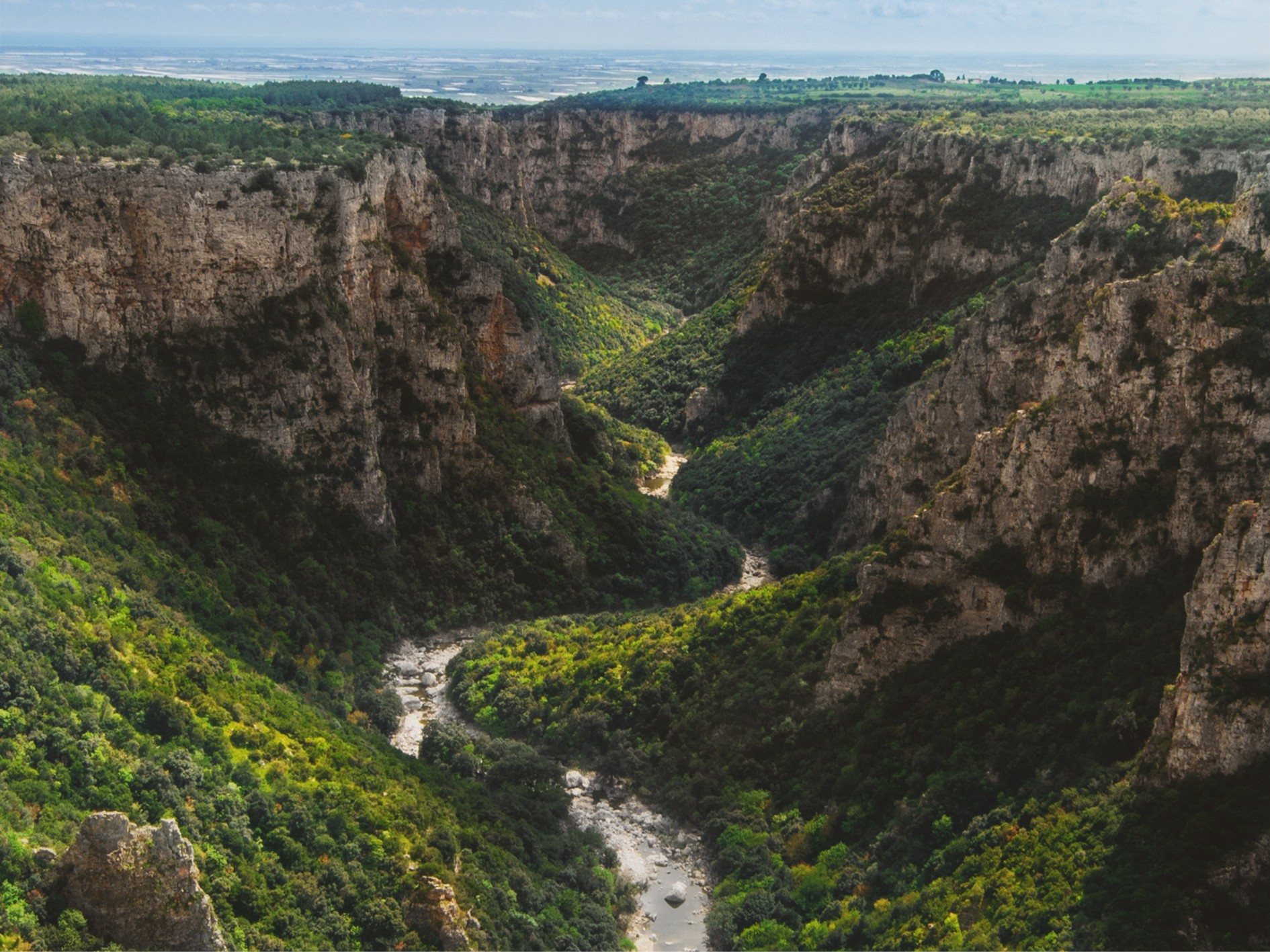
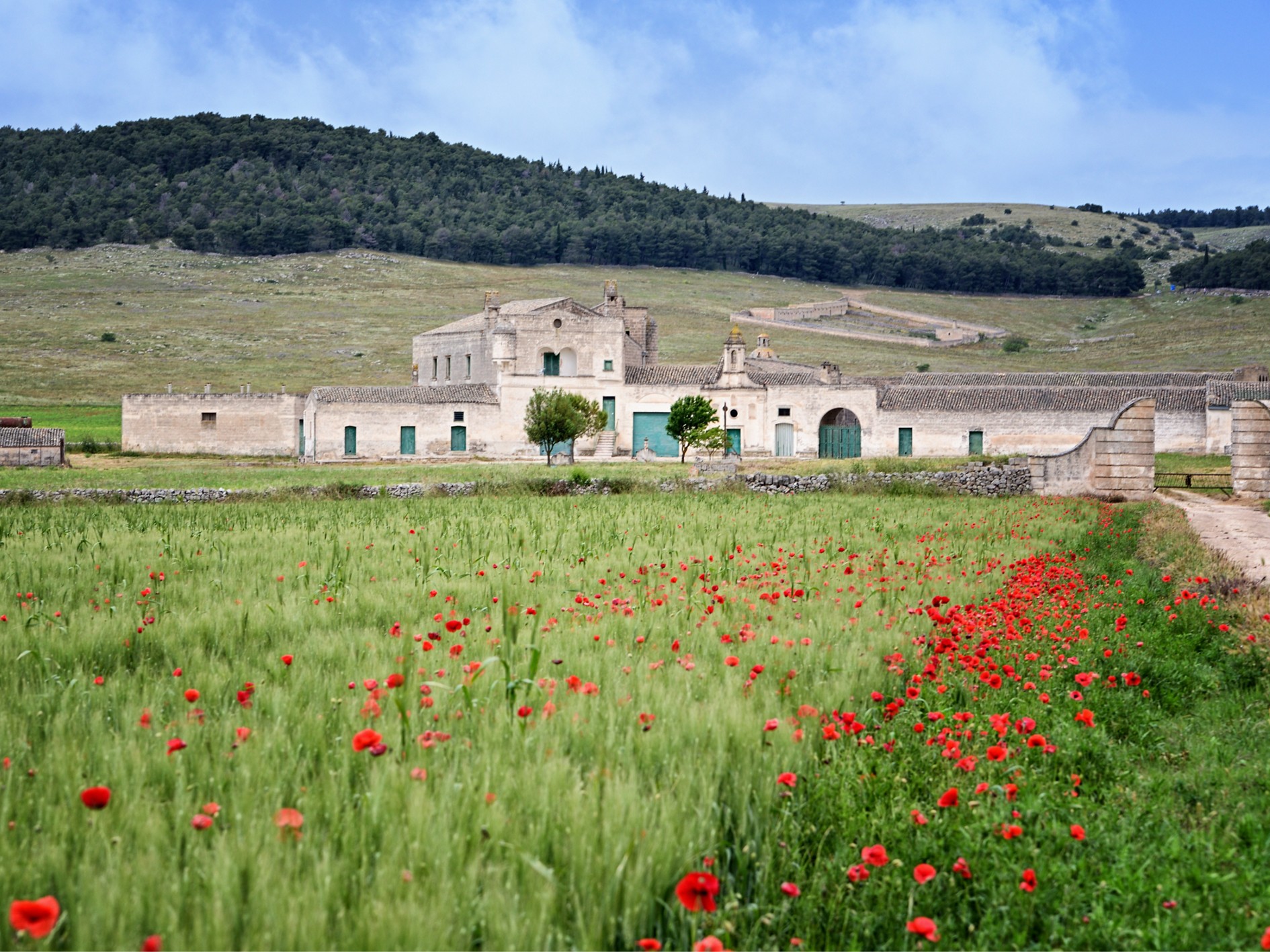
The Puglia region forms the heel of the Italian peninsula and is recognized as one of Europe’s most vibrant crossroads between East and West. Natural landscapes around Puglia are magnificent. The white high cliffs of Mattinata and Vieste, the long sandy beaches with crystalline water in Salento, the Castellana Caves , the second European biggest canyon of Gravina di Laterza, the Murgia hills with wheat fields and olive groves, and the beautiful towns overlooking the sea, like Polignano a Mare.
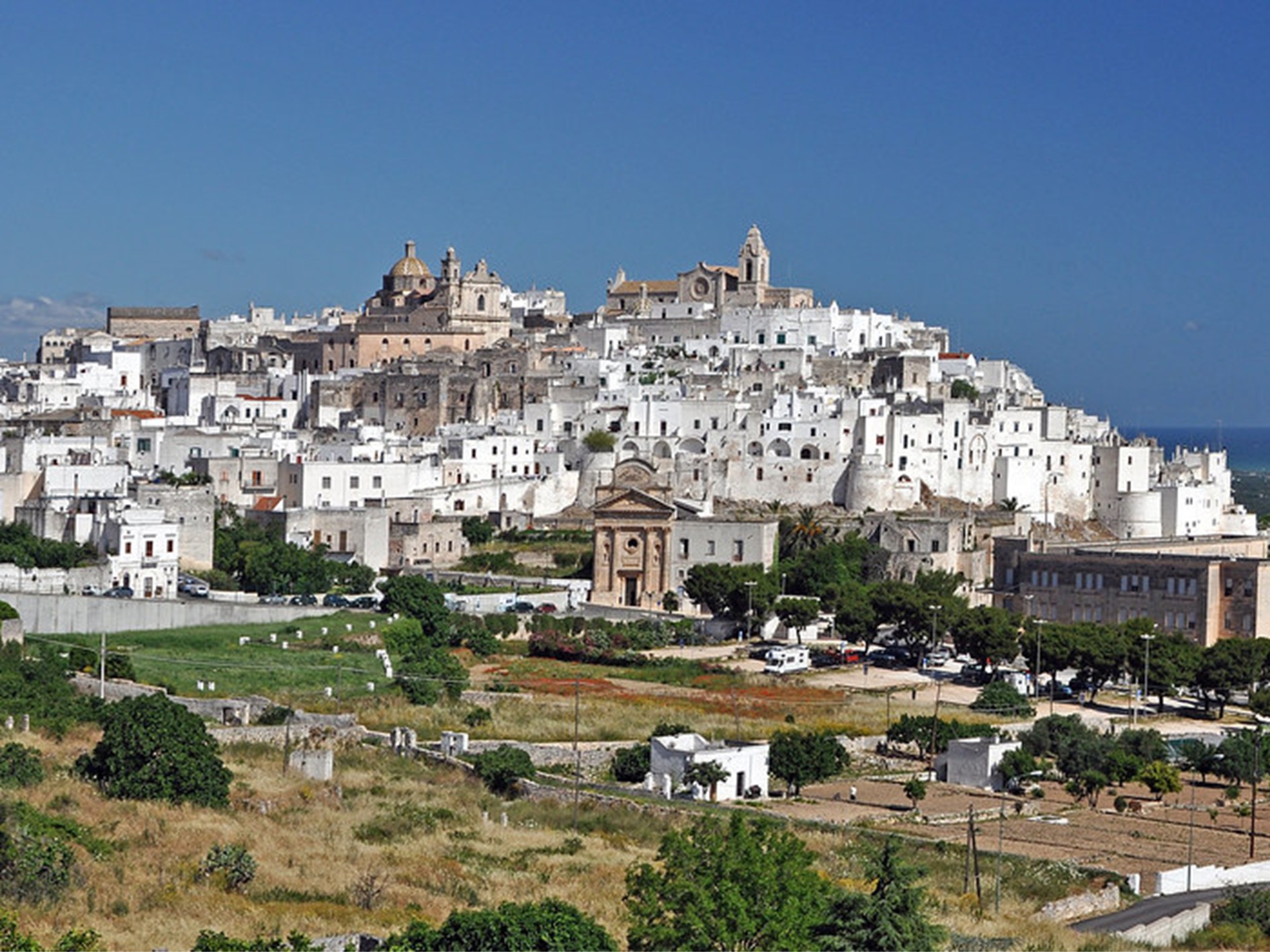
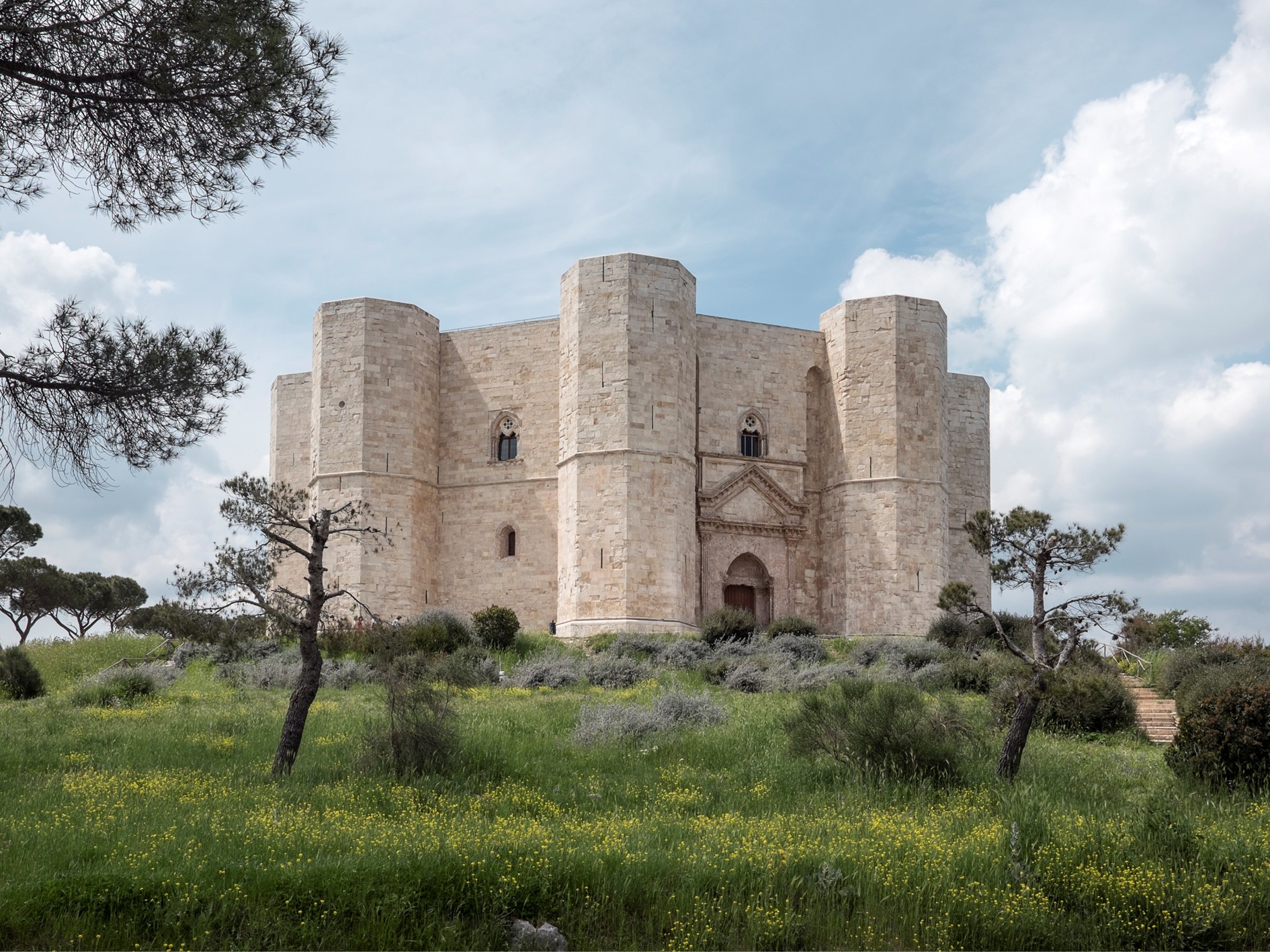
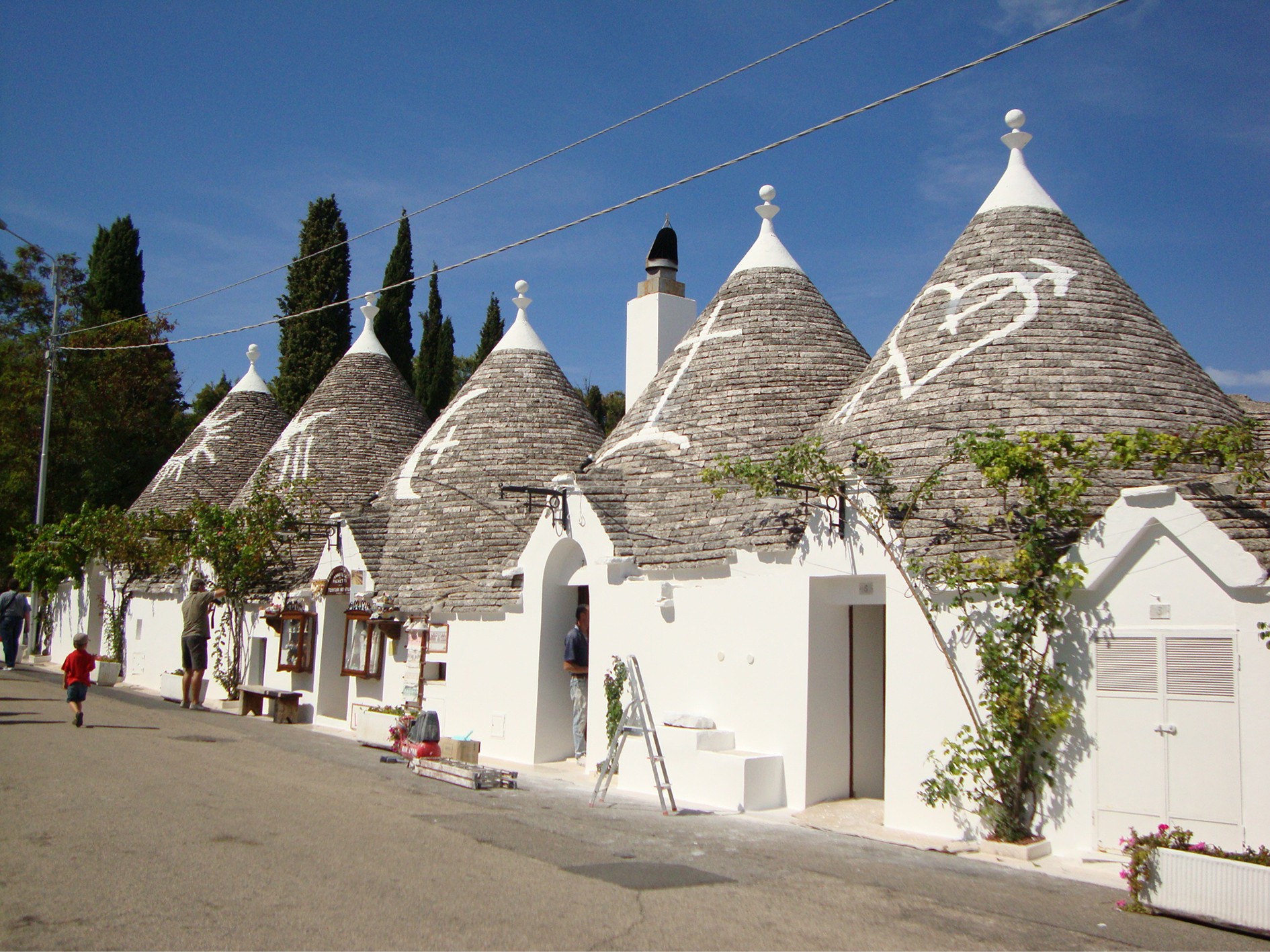
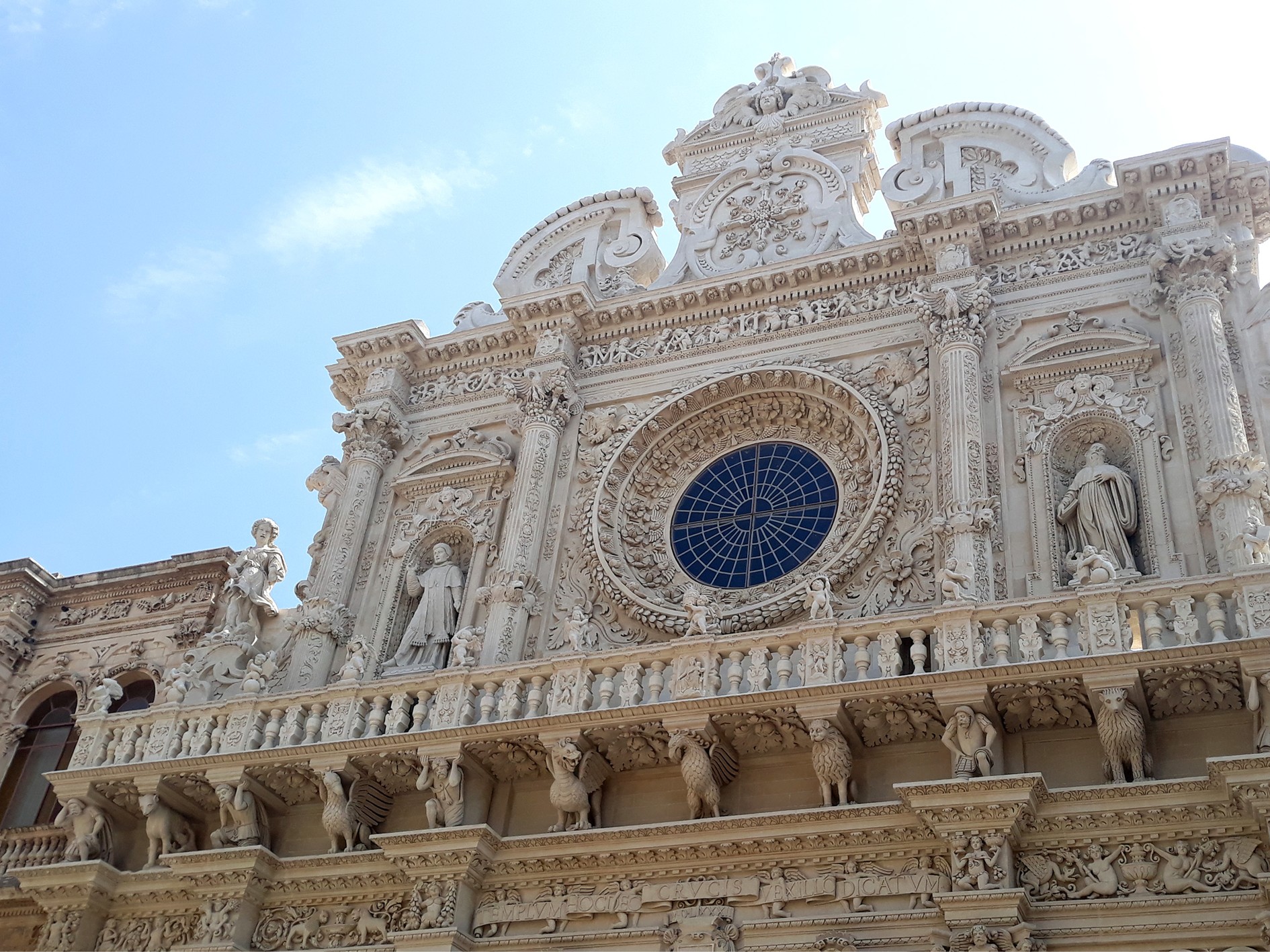
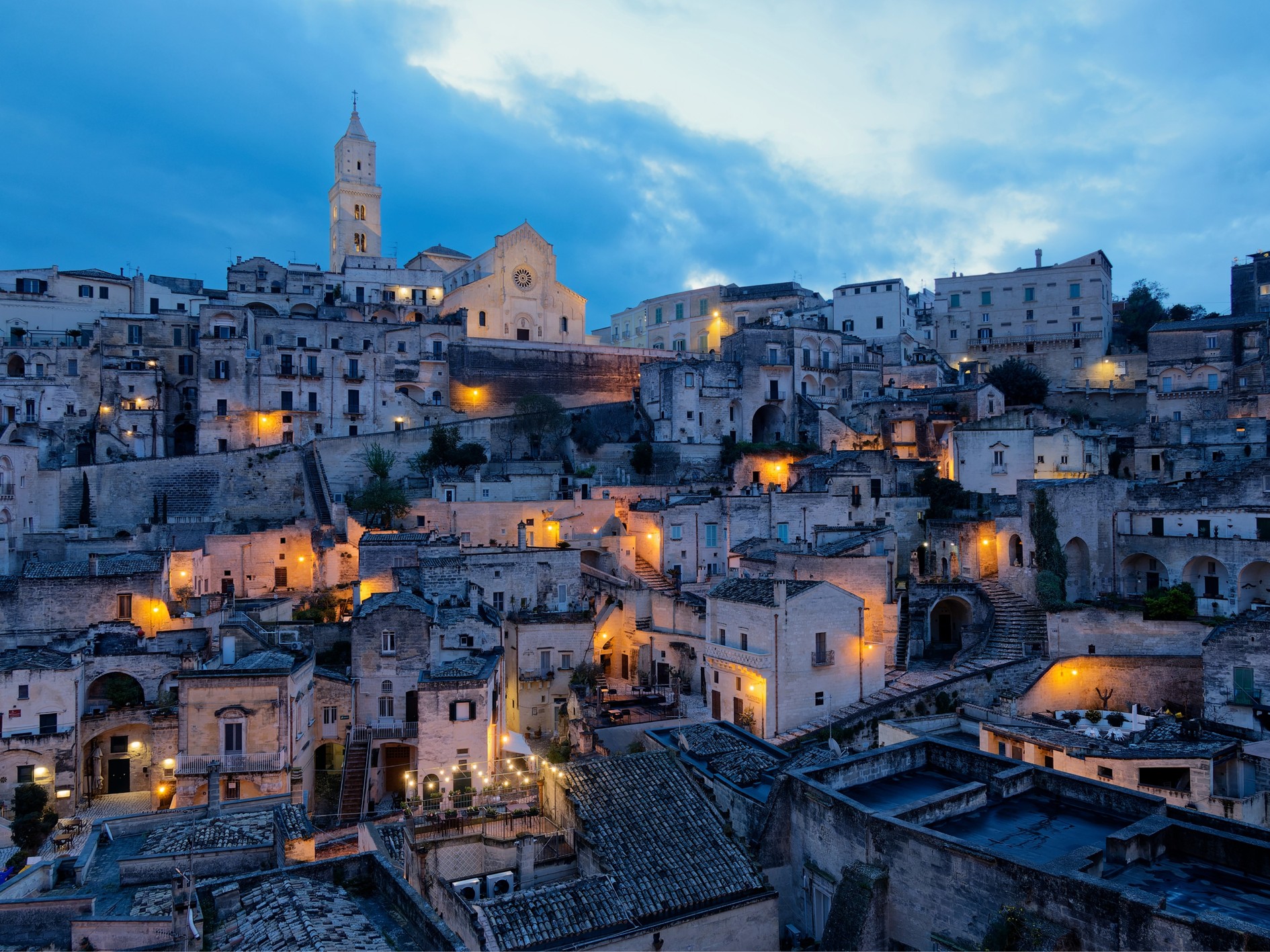
Puglia is also home to numerous historical sites and cities of art and culture to be discovered step by step. The white city of Ostuni, the Castel del Monte octagonal castle by Frederick II (in the town of Andria), the Trulli stone huts in the UNESCO World Heritage Site of Alberobello, the Lecce Baroque. Just beyond the border of Puglia, you can visit the UNESCO World Heritage Site of Sassi di Matera, an ancient, stratified settlement carved into the calcareous rock of the Murgia plateau.
Gastronomy
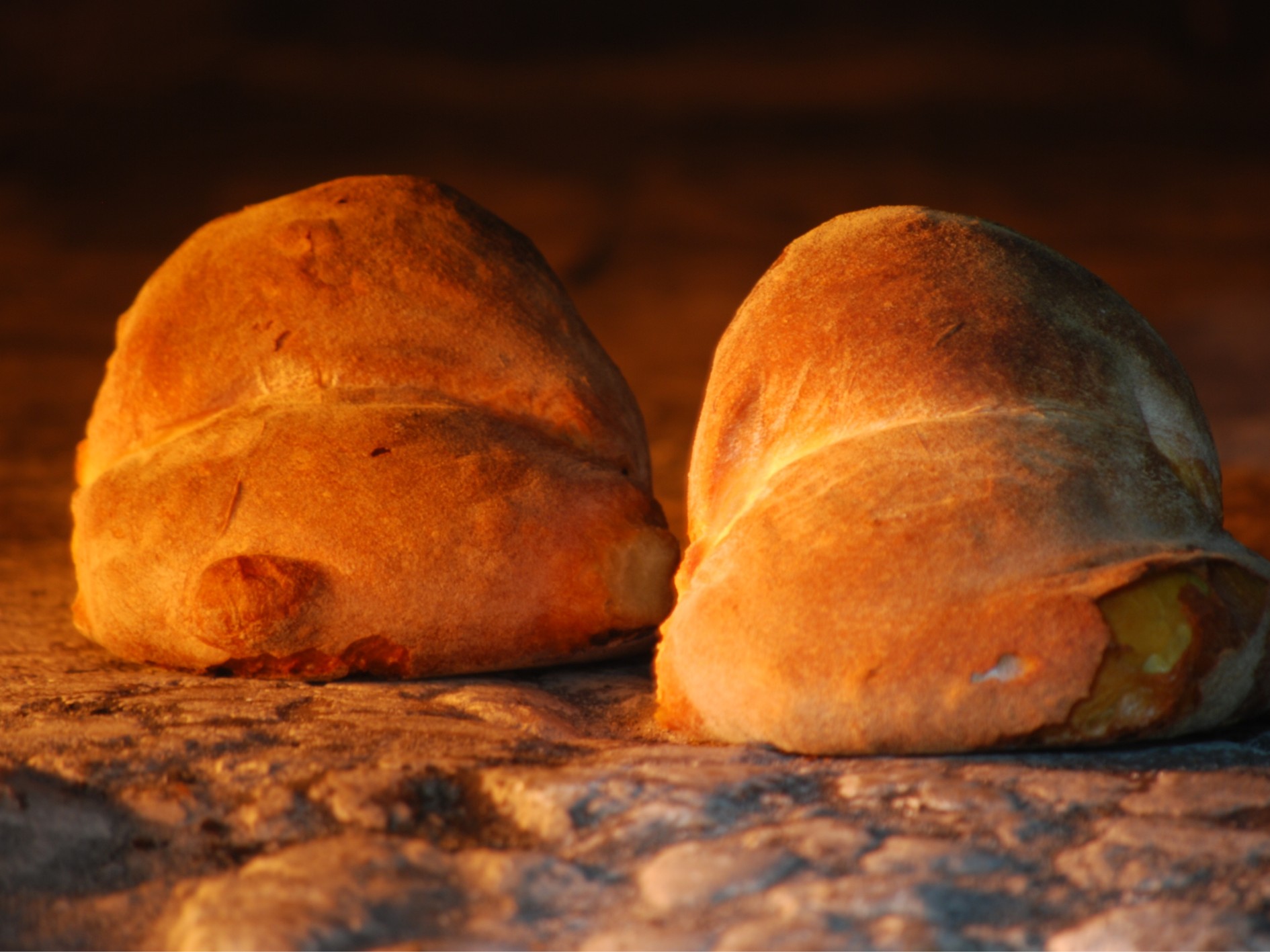
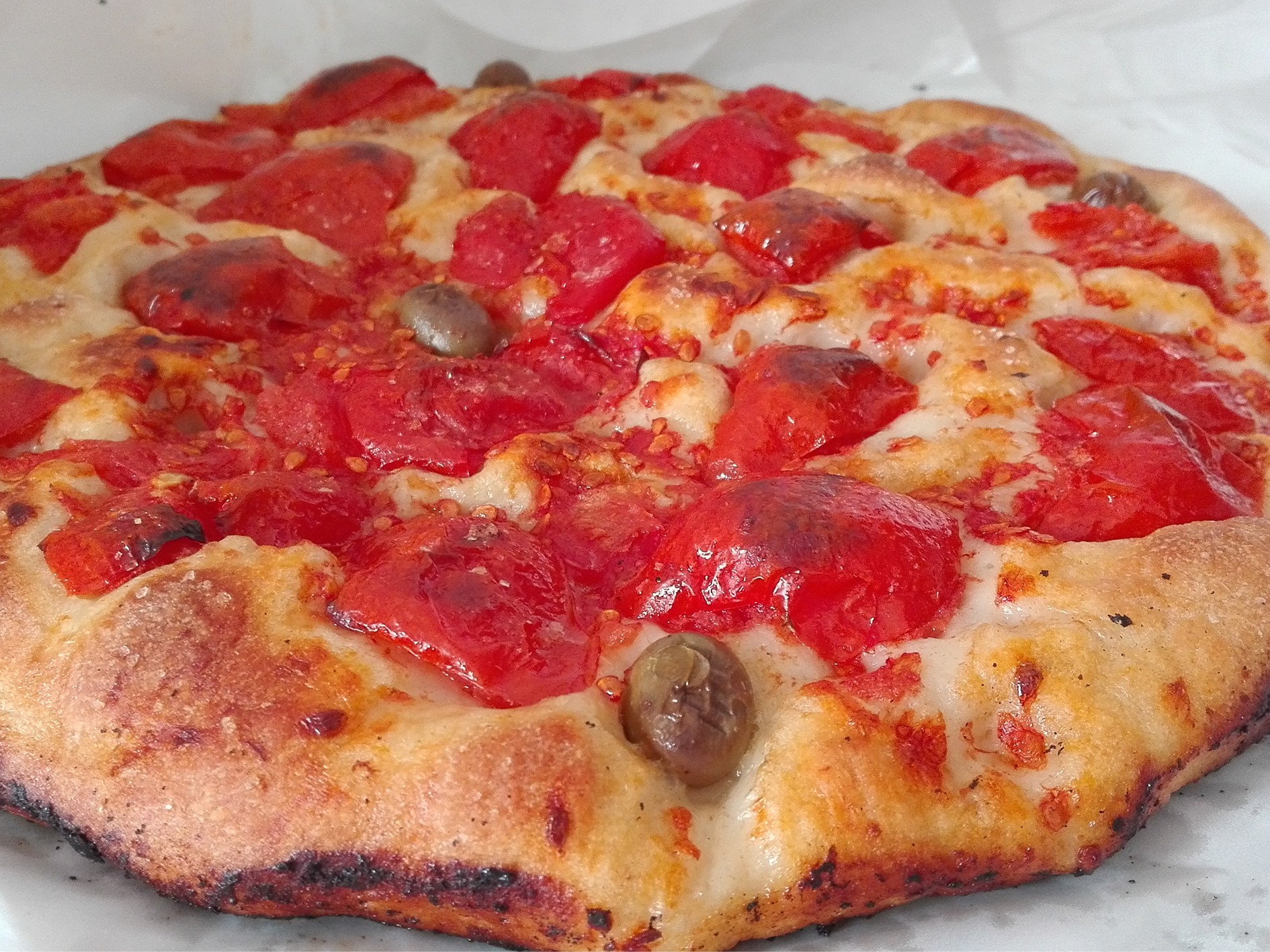
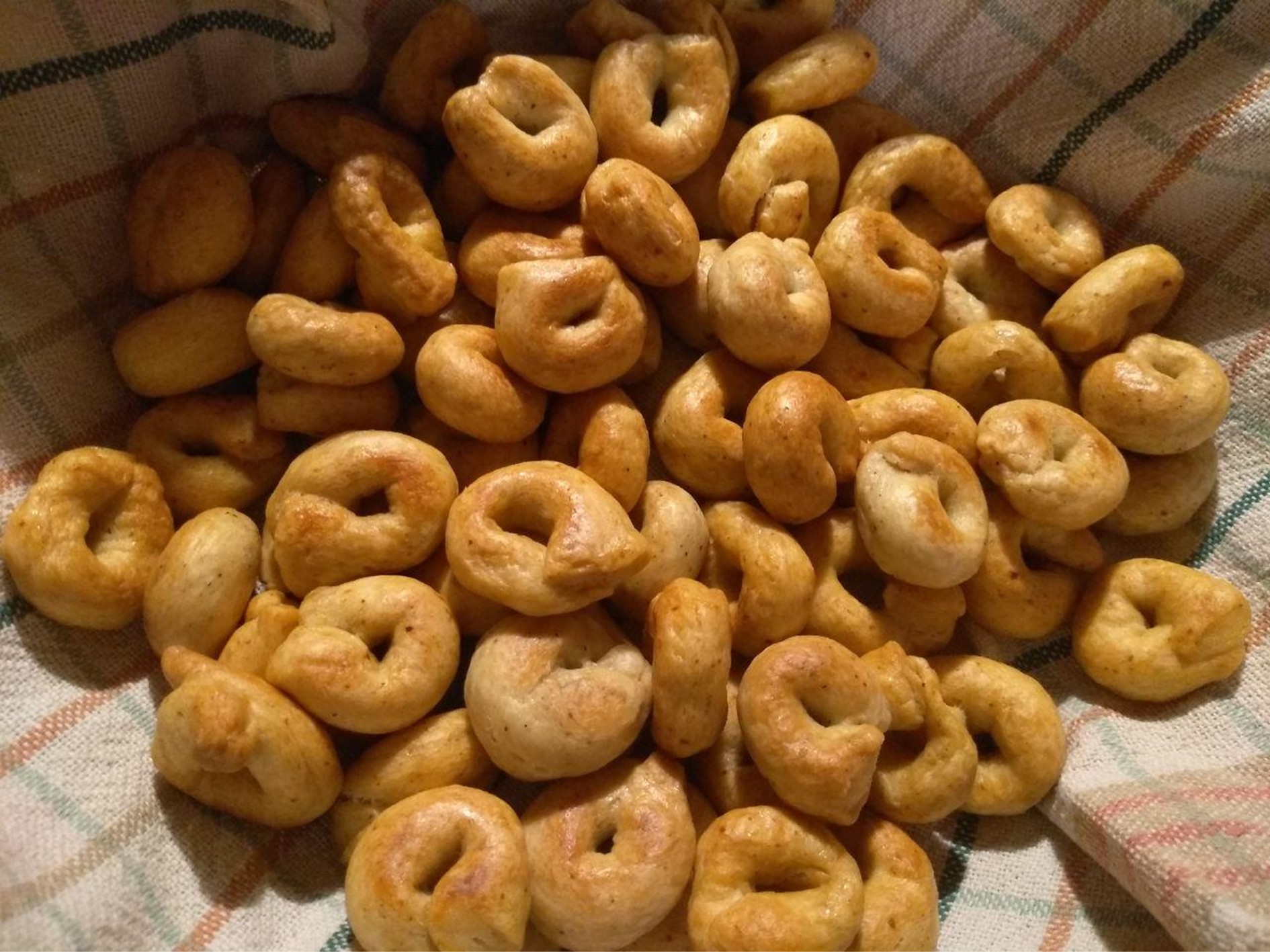
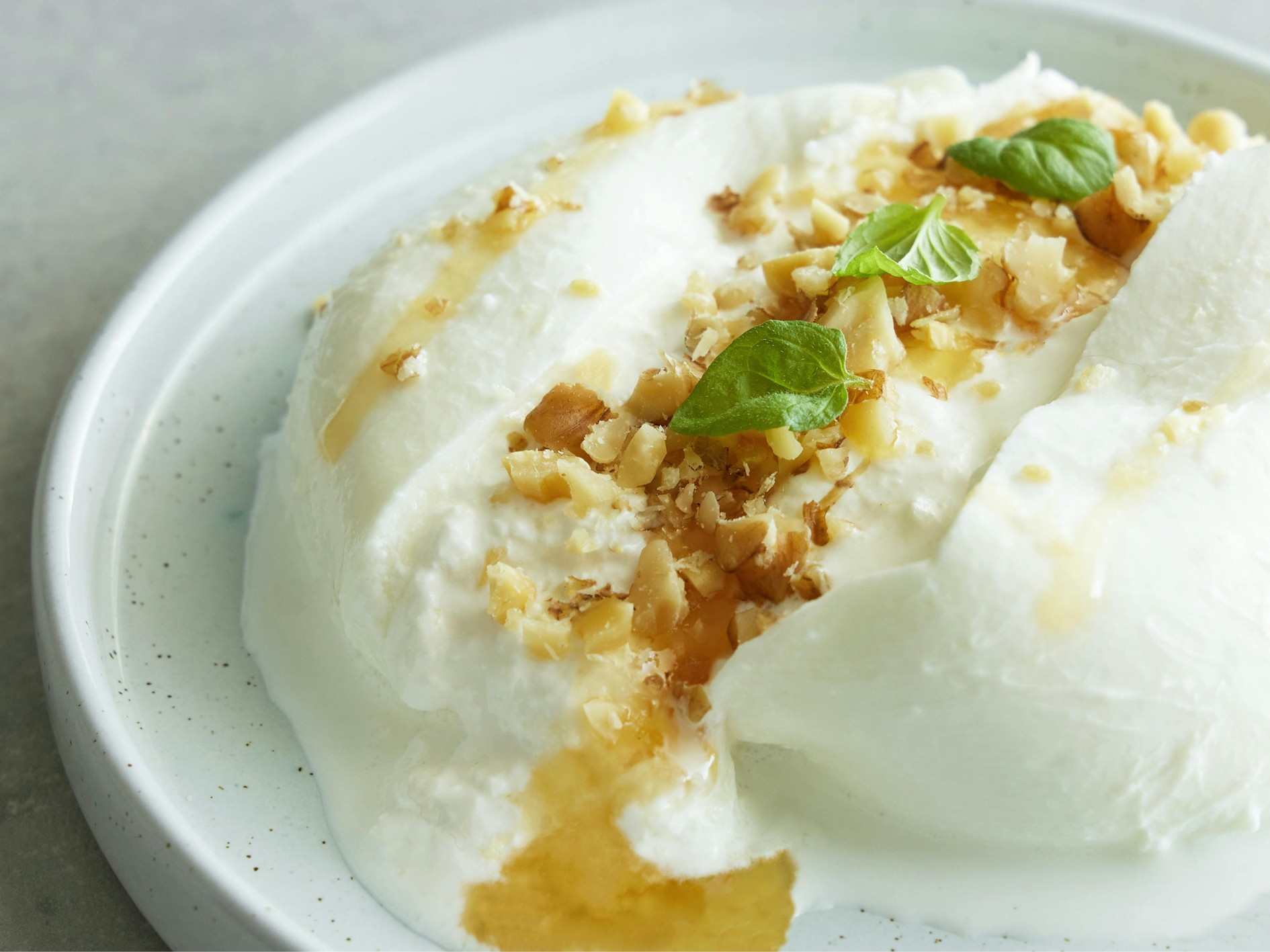
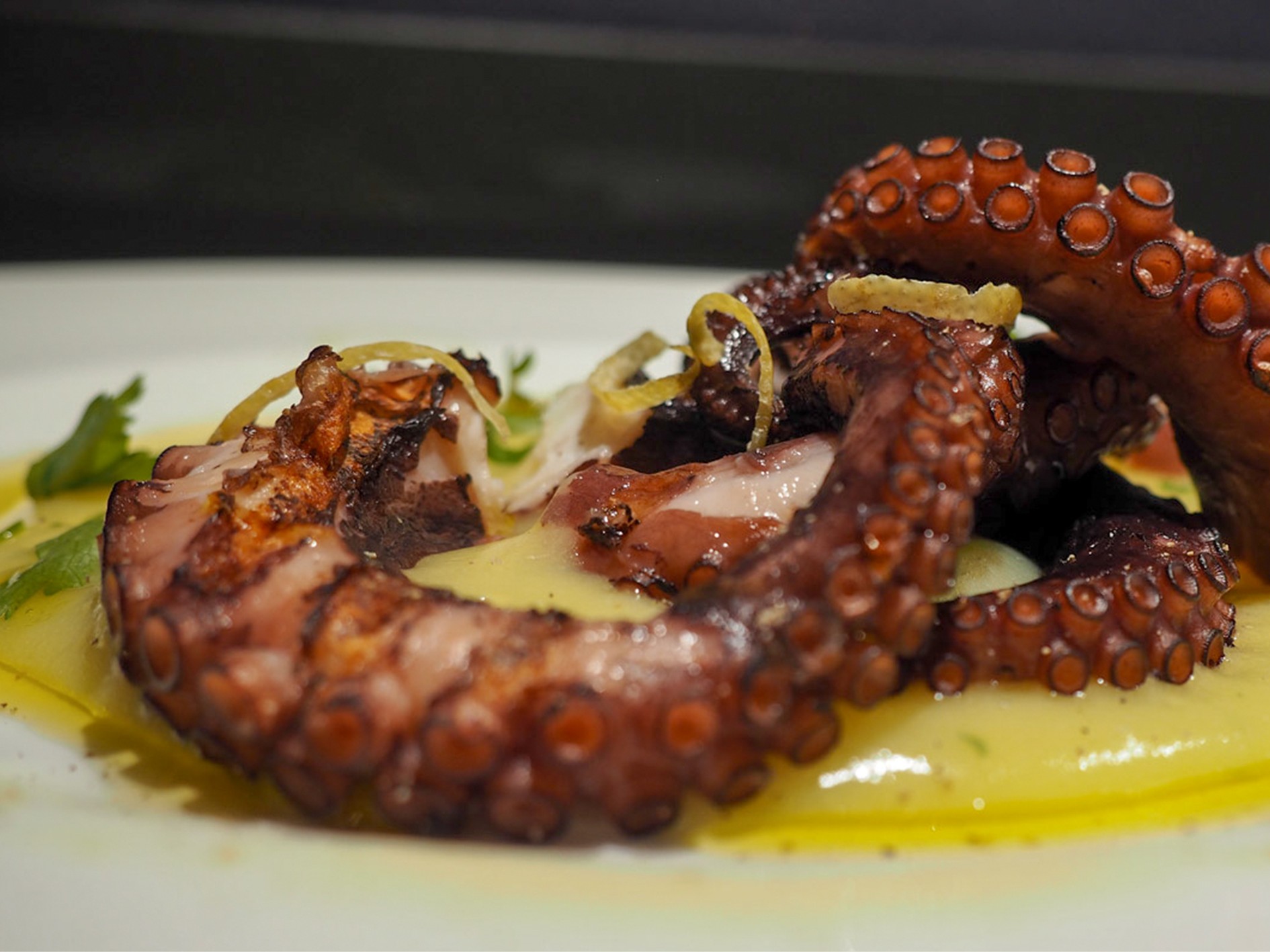
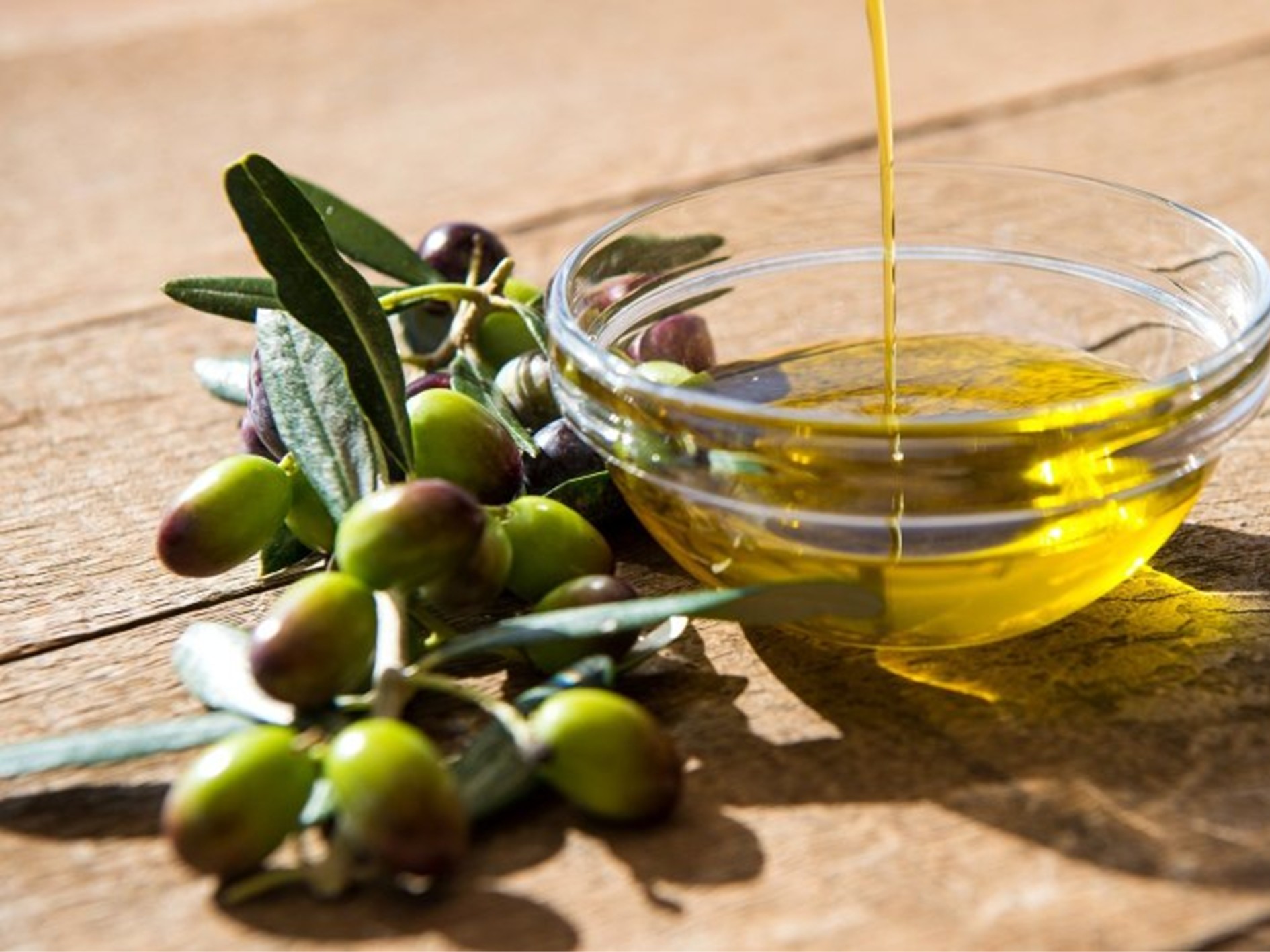
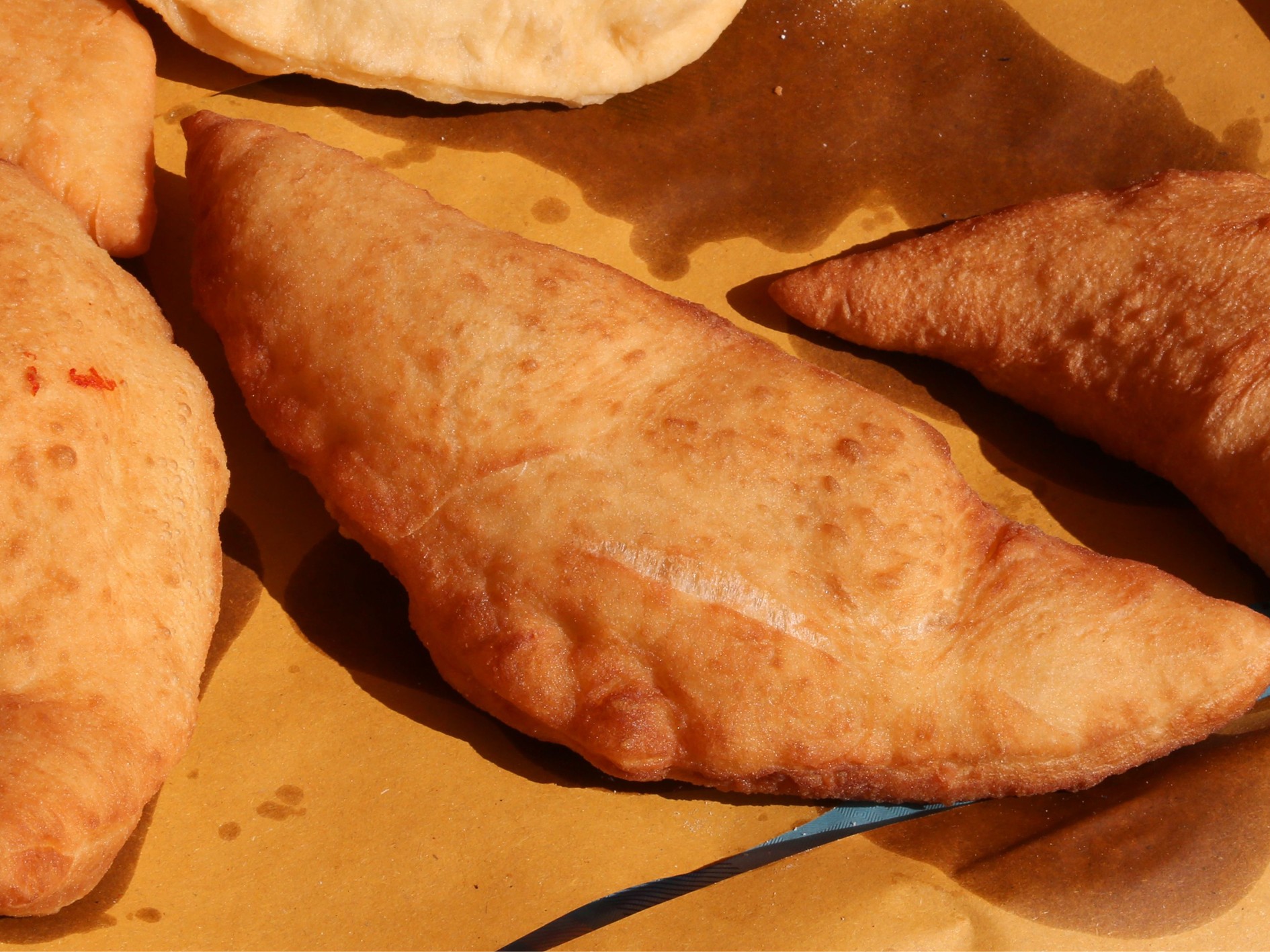
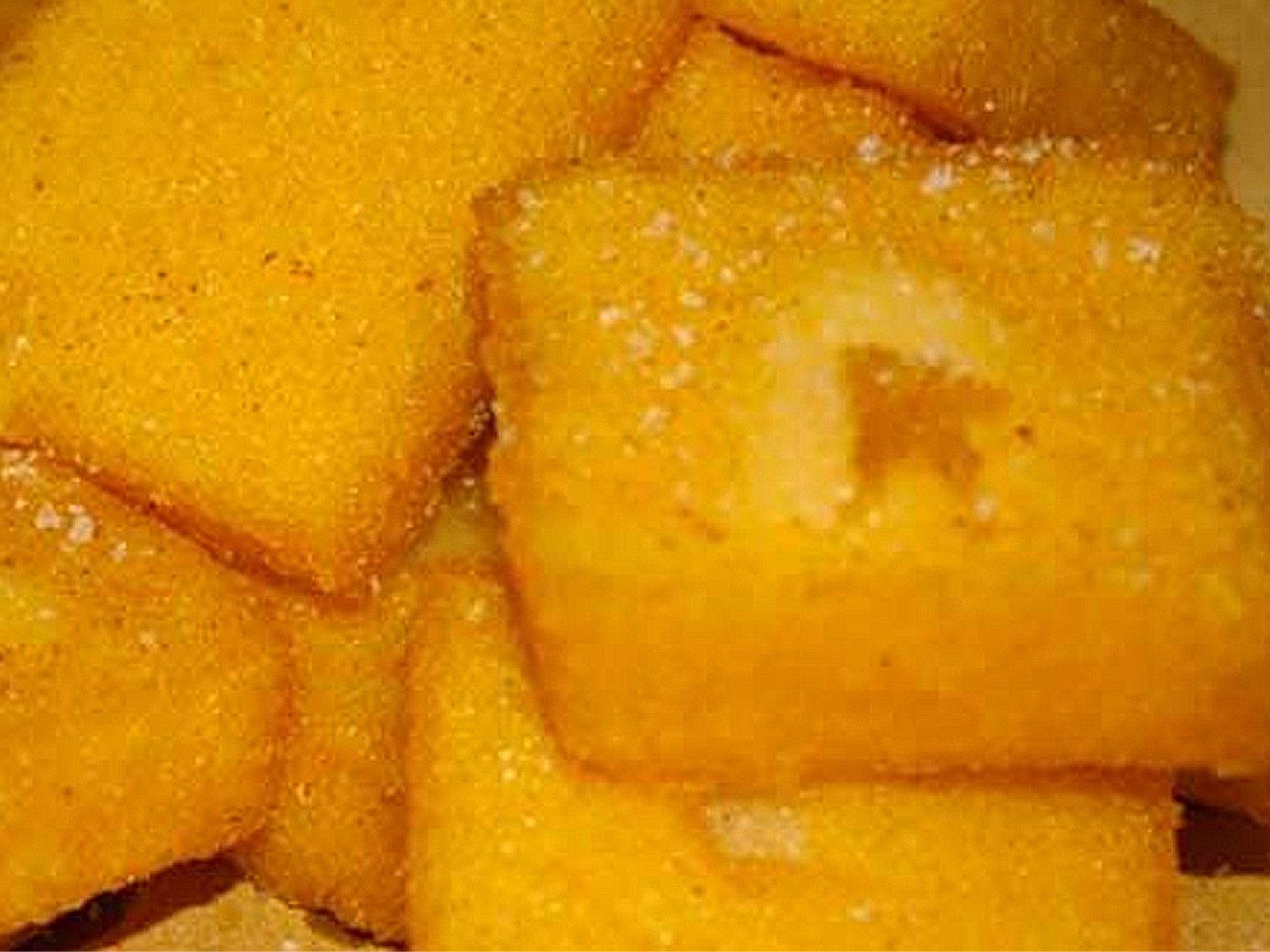
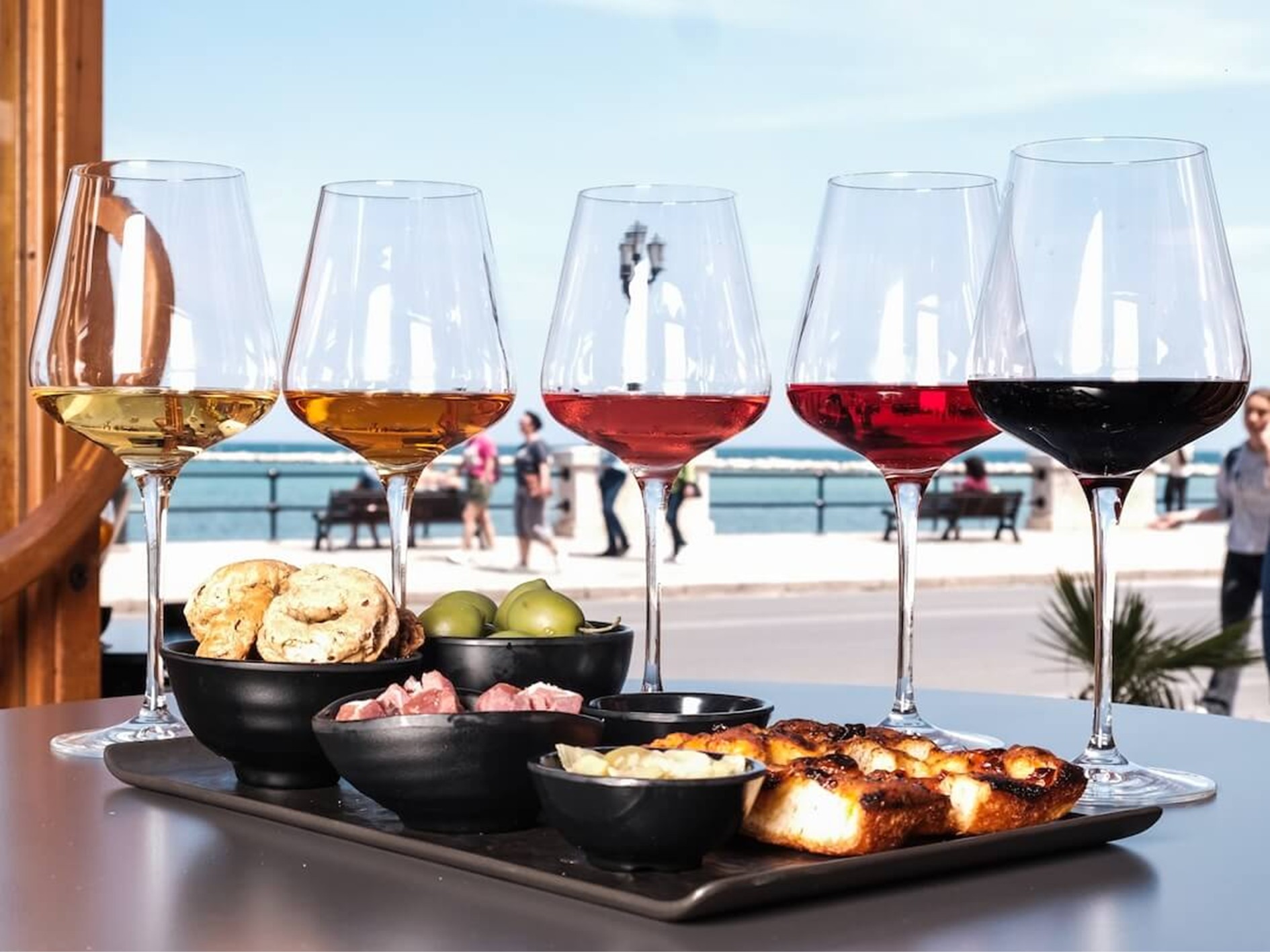
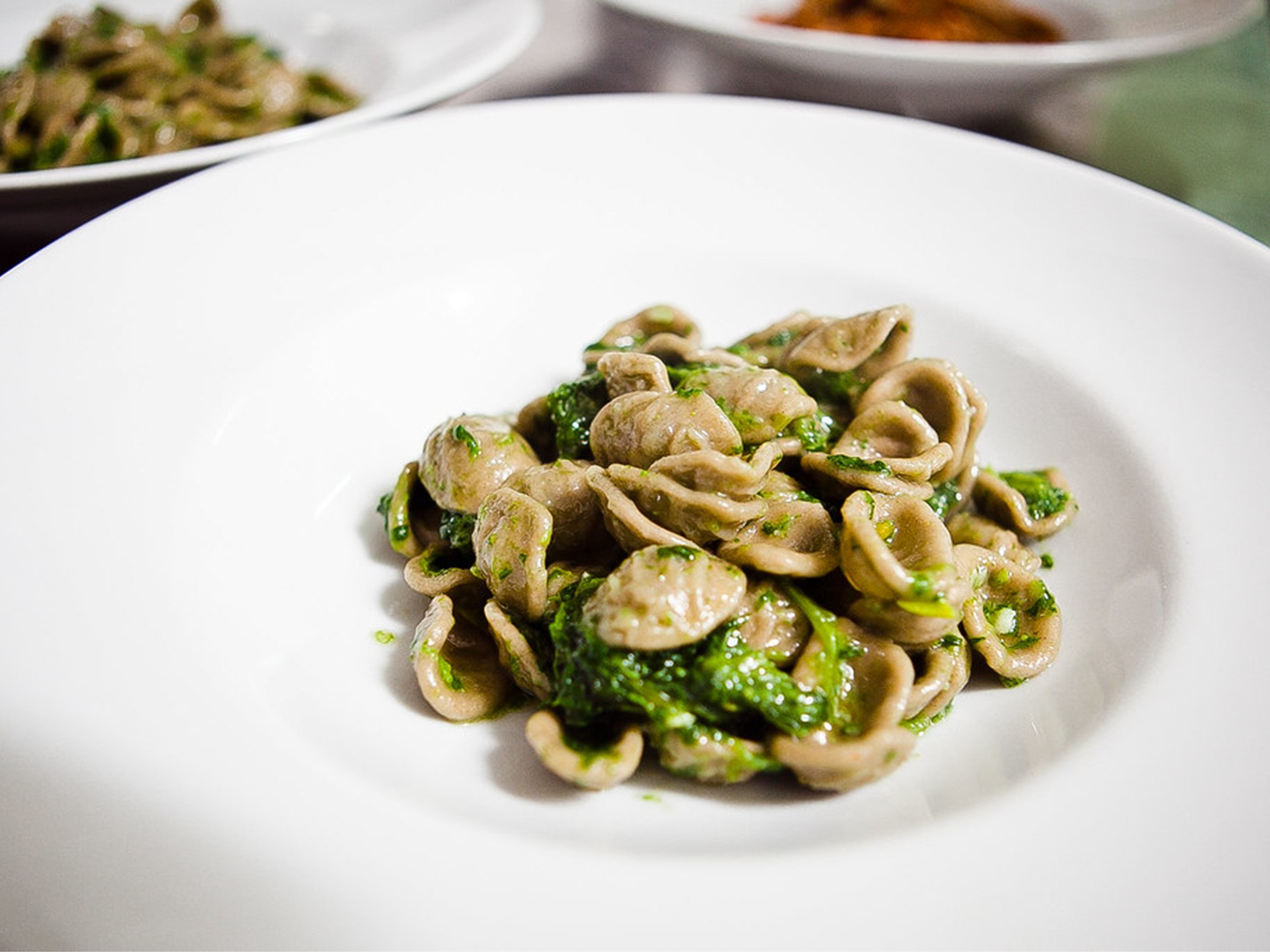
The Puglia cuisine is based on typical products found within the surrounding region: wheat, dairy, seafood, Extra Virgin Olive (EVO) oil, and wine. Local flour is used in homemade bread (Pane di Altamura), pasta production, including the famous Orecchiette, Focaccia Barese, Friselle (twice-baked bread rings), and crunchy Taralli. Burrata, stracciatella, mozzarella, ricotta, and caci varieties (caciocavallo, canestrato) are consumed fresh or lightly aged, often paired with honey, jams or fresh fruit. The Puglia coasts supply mussels, clams, red mullet, cod and octopus; it is not unusual to eat them raw in restaurants. EVO oil is used in almost every preparation or to make fried dishes like Panzerotti, Sgagliozze (fried polenta), Fried fish. The whole Puglia region has a range of wines, including the classical Primitivo, Negroamaro, Castel del Monte, and Muscat.
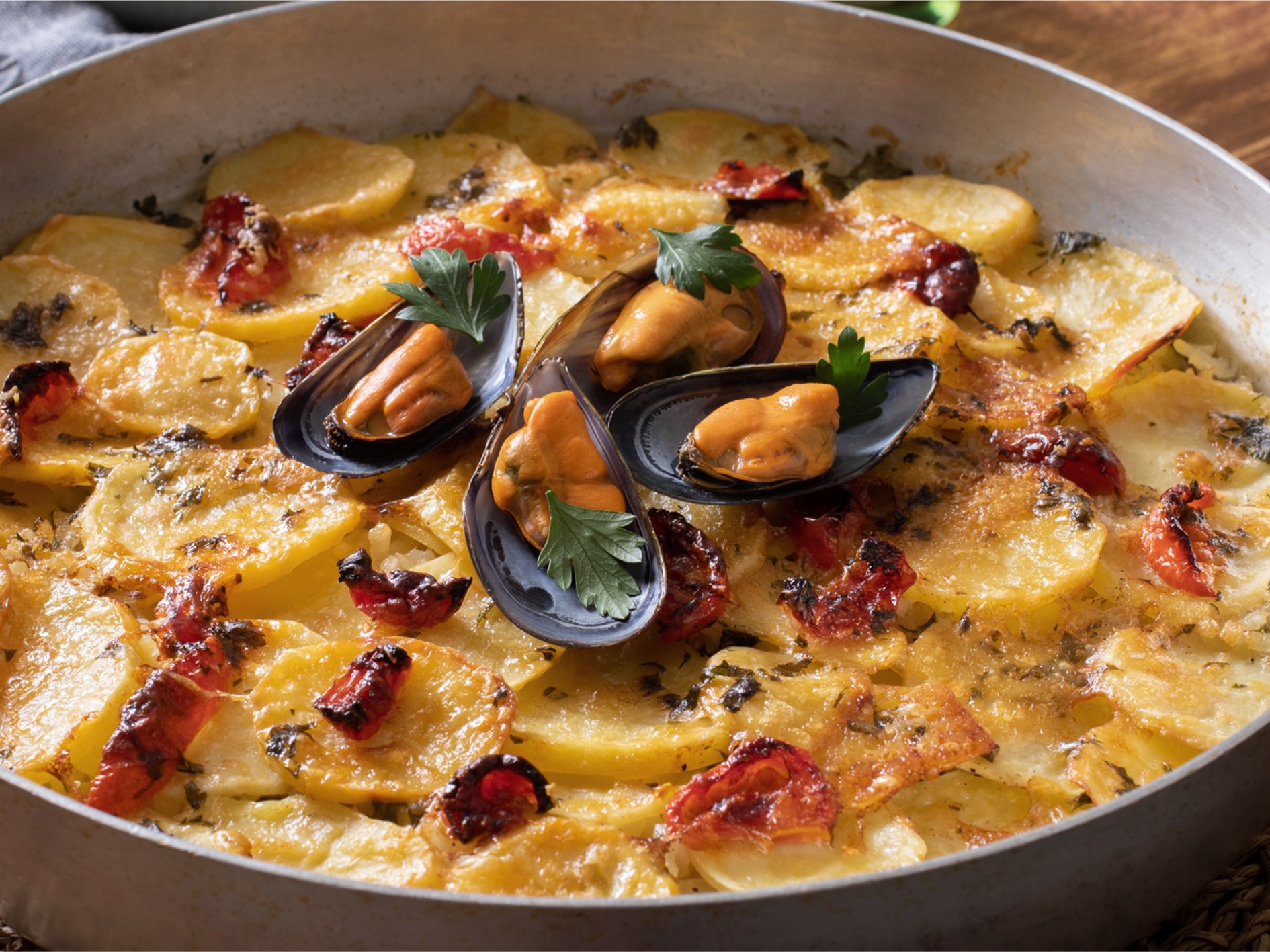
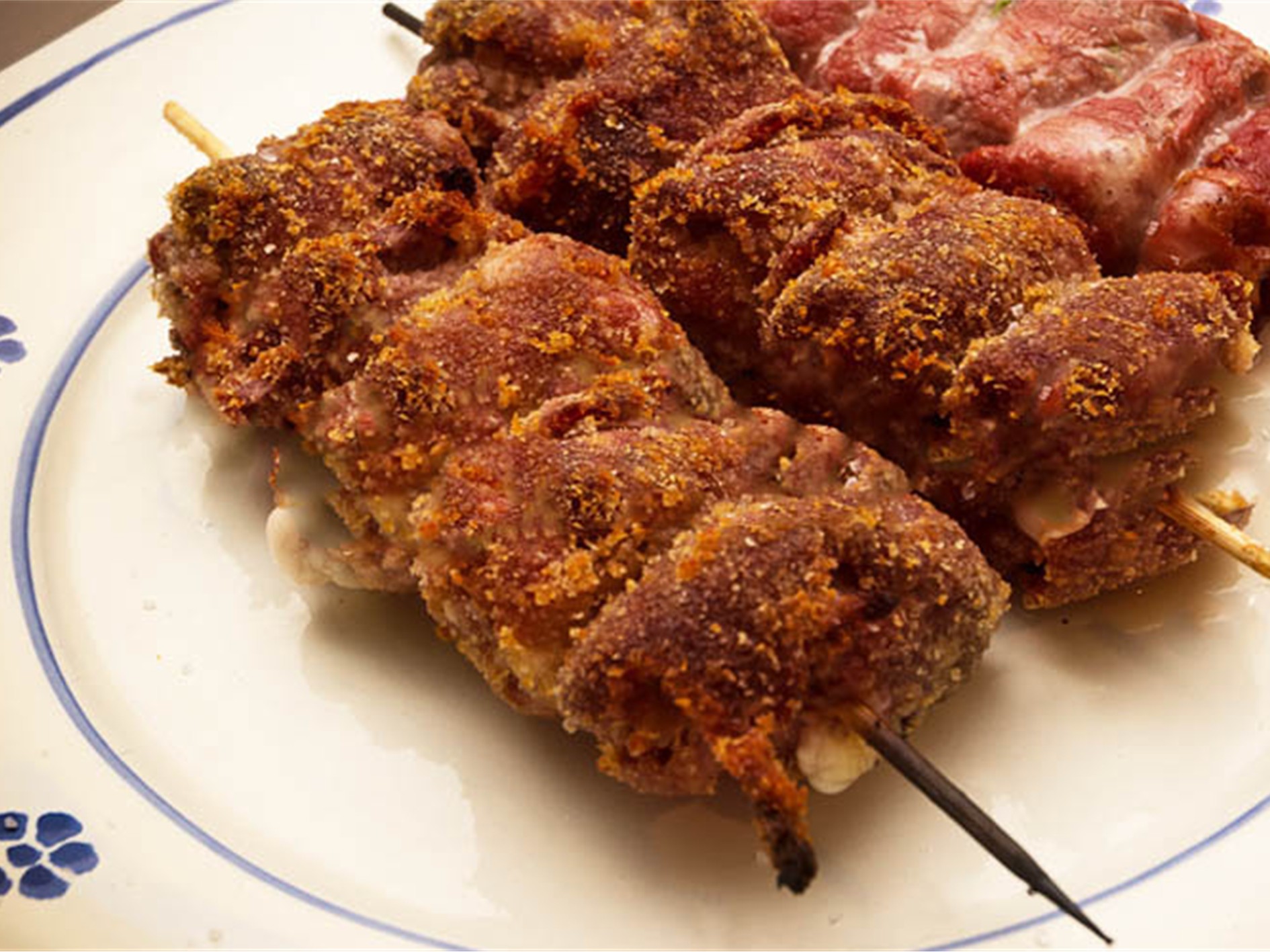
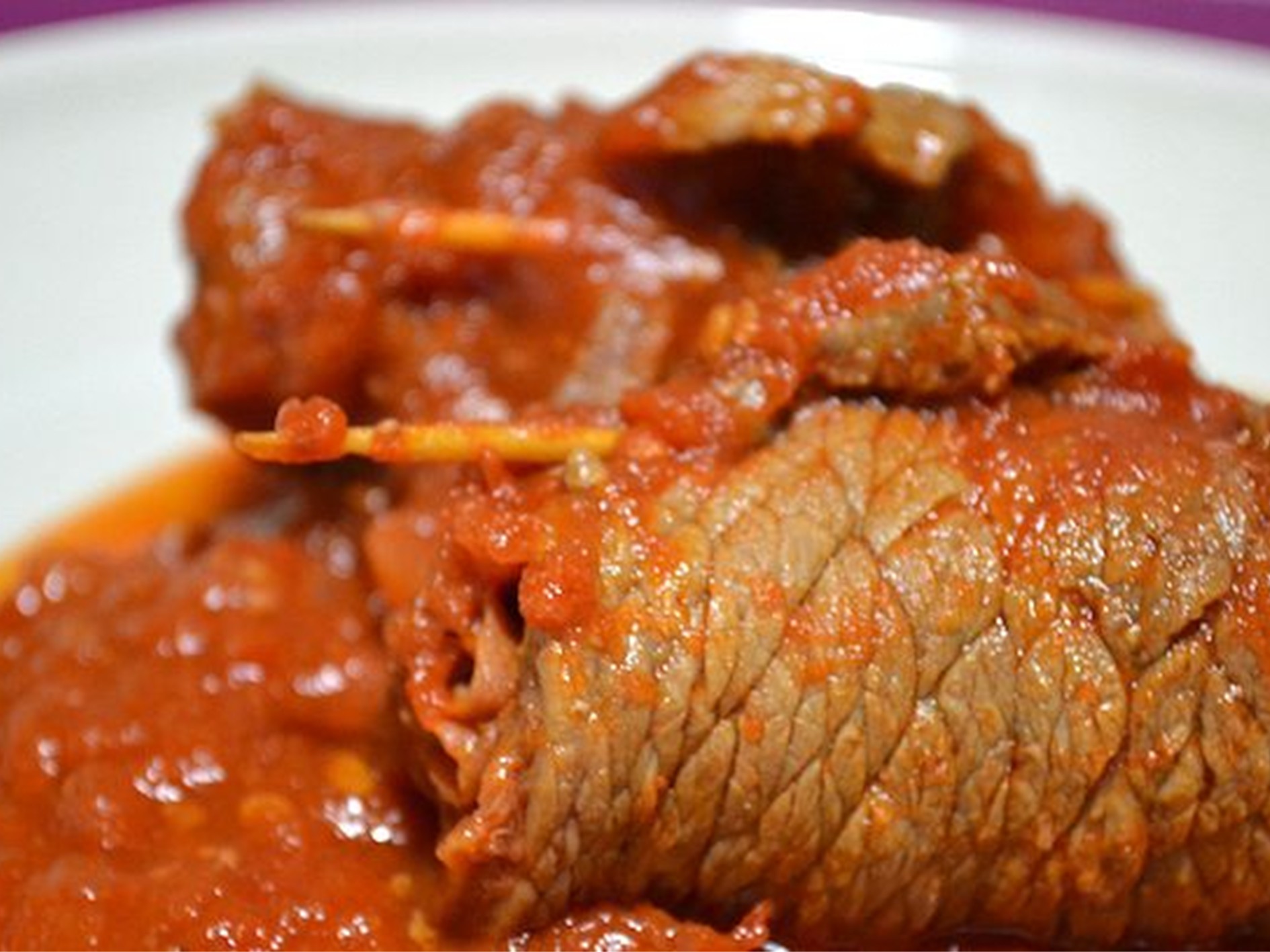
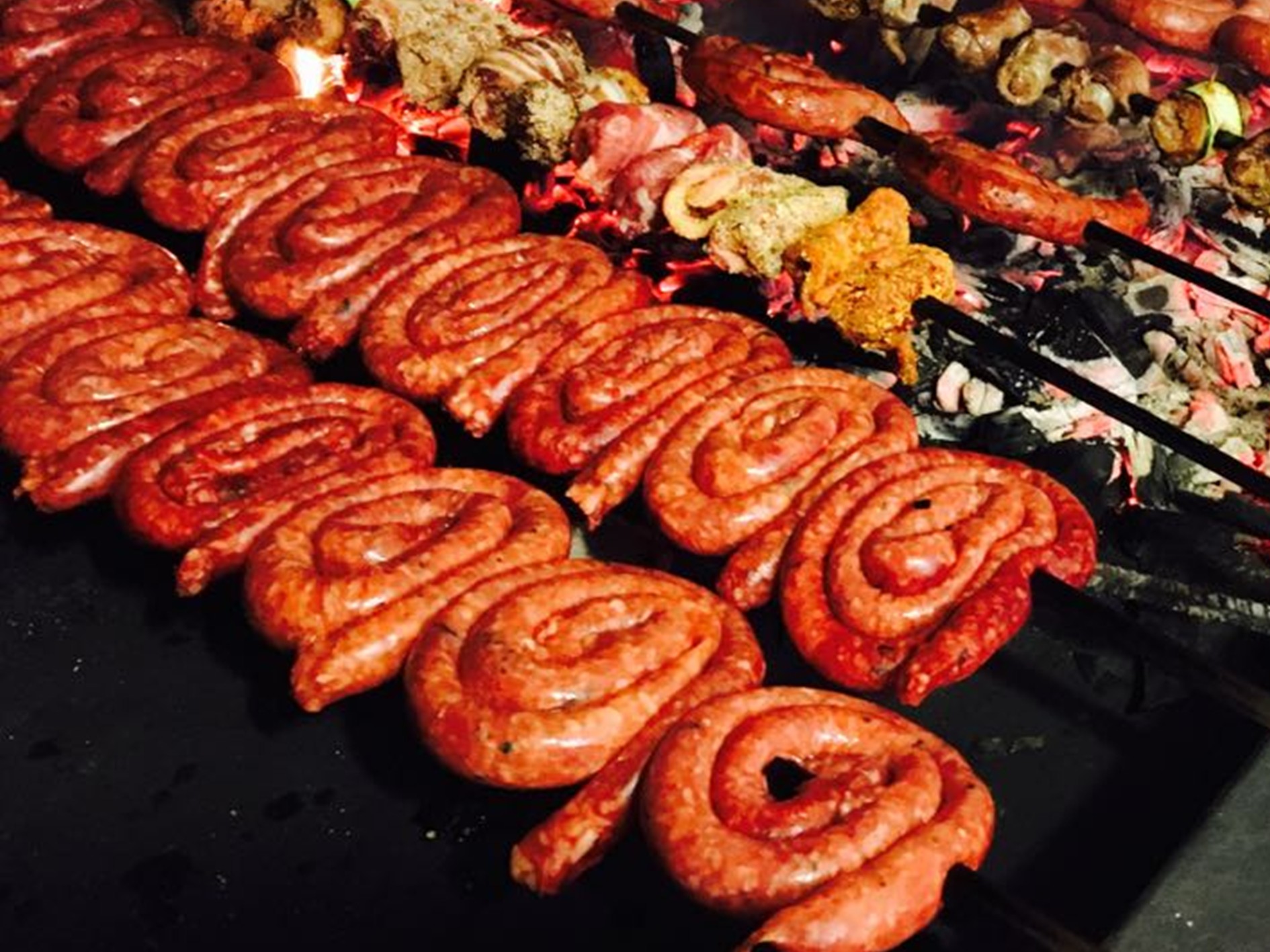
Signature dishes include Orecchiette with cime di rapa (turnip greens), Tiella barese (rice, potatoes and mussels), Bombette (stuffed grilled meat rolls), Ragù with braciole (thin slices of meat filled, rolled up, and then braised in tomato sauce), and Zampina (a tight spiral of a fresh sausage grilled over charcoal).
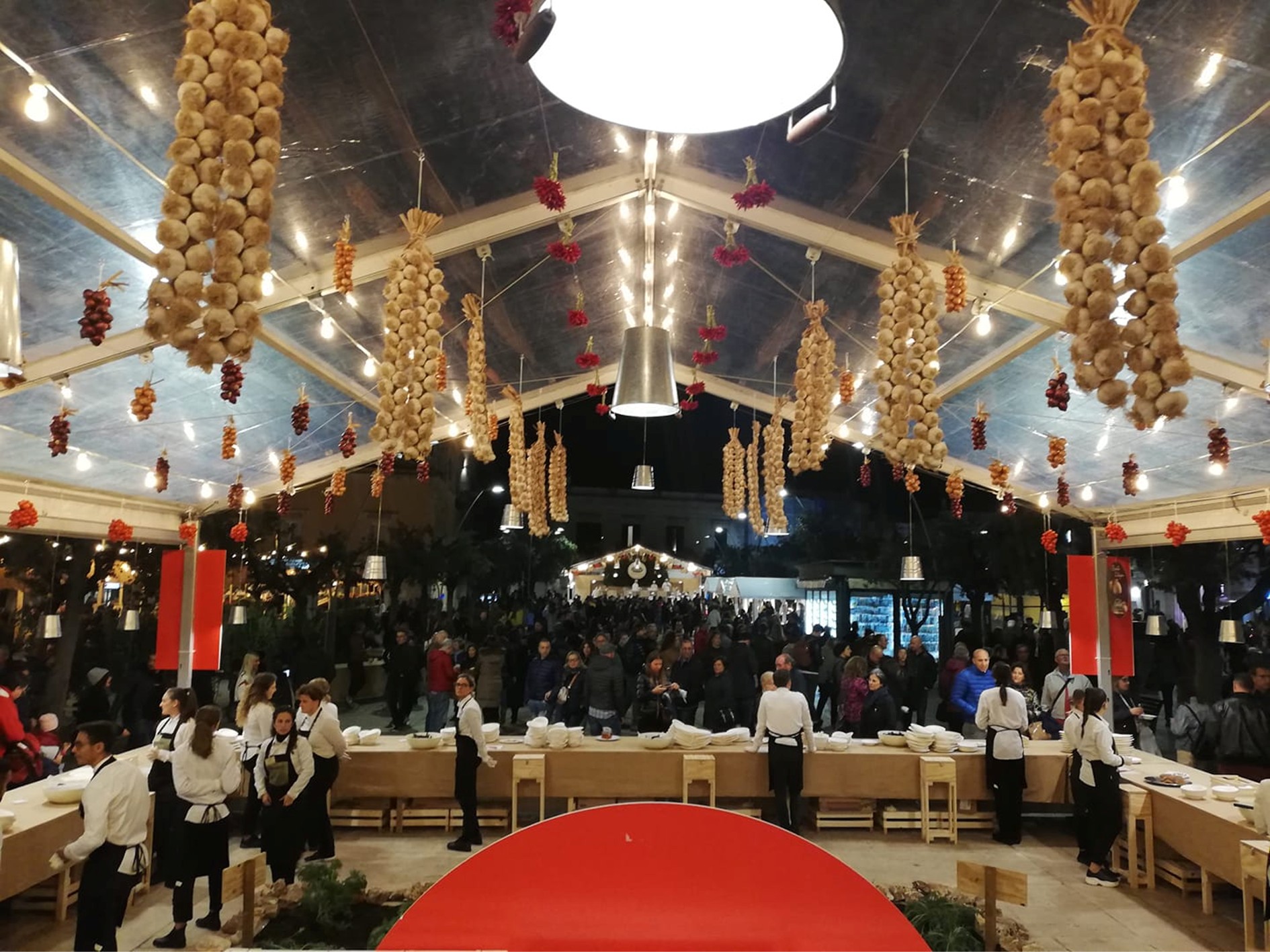
Puglian gastronomy emphasizes conviviality, respect for raw materials, and short supply chains. Local markets and seasonal festivals (“Sagre”) are key venues for preserving and transmitting recipes, while contemporary chefs often reinterpret traditions to valorize biodiversity and artisanal methods.